Industry Guides & How-To Resources with specific types of property or business. Check our valuable guides on this page today at Ranger Land & Minerals.

⚠️ IMPORTANT LEGAL DISCLAIMER:

The information provided on this page is for general informational purposes only and does not constitute legal, financial, or investment advice. Oil and gas laws, mineral rights regulations, and royalty structures vary significantly by state and jurisdiction. While we strive to provide accurate and up-to-date information, no guarantee is made to that effect, and laws may have changed since publication.

You should consult with a licensed attorney specializing in oil and gas law in your jurisdiction, a qualified financial advisor, or other appropriate professionals before making any decisions based on this material. Neither the author nor the publisher assumes any liability for actions taken in reliance upon the information contained herein.

Mineral rights and oil and gas leases tend to be a bit more complicated than ordinary surface rights leases. When you sell or lease a home, there is a pretty obvious boundary (oftentimes marked by a fence) that designates what the lessee can control. Below the surface, however, the spaces occupied by precious mineral reserves rarely follow the same pattern.

If an oil reserve is under multiple different parcels of land, it can still be entirely depleted from a single well. For this reason, mineral rights owners often enter into contract agreements to ensure that they are able to benefit from the sale of the oil or gas below their property.

Pooling and Unitization

Pooling and unitization are two of the most common methods for the consolidation of mineral rights. Although the two terms are often used in place of one another, they actually refer to different kinds of agreements.

What is Pooling?

Pooling is a process that combines several tracts of land together in order to cover the area of a single oil well. In a pooling agreement, all of the parties own their portion of any oil that is produced from within the pooled land. Essentially, instead of digging a new well on each separate piece of land, the reserve is drilled in the best way possible and each owner can benefit from the sale of precious minerals with oil royalties.

What is Unitization?

Unitization is a process that merges different pieces of land together across an entire oil field. Unlike pooling, unitization can combine the production of many different oil wells into one shared contact.

Compulsory and Voluntary Pooling and Unitization

Voluntary pooling and unitization agreements occur when independent owners agree to work together. The documents can be signed by the owner themselves, a legal representative, or heir. Agreements are generally made to be mutually beneficial. Voluntary pooling offers can be declined without any consequence.

Compulsory, also known as forced, pooling or unitization is a mandatory consolidation of oil and gas leases. They are conducted by a regulatory committee, most commonly the Oil and Gas Conservation Commission.

Joint Operating Agreements in Oil and Gas Leases

Lastly, two active oil and gas leases can be combined into what is known as a “joint operating agreement (JOA),” or a “joint lease.” In a JOA, operators agree upon a community lease in which assets are shared and new royalty percentages are defined. In addition to oil and gas agreements, joint leases are common across other industries such as health care.

Remember: This information is for educational purposes only. Consult qualified professionals for advice specific to your situation and jurisdiction.

Oil prices jump after U.S. stockpile data Wednesday showed another surprise weekly decline as coronavirus lockdown restrictions continue to ease across the country.

The Energy Information Administration reported crude inventories dropped by 5 million barrels last week. Analysts polled by S&P Global Platts saw an increase of by 2.4 million barrels.

Last week, EIA stunned markets by reporting a surprise drop in U.S. crude inventories, the first since January.

U.S. crude production fell to 11.5 million barrels per day from 11.6 million bpd in the prior week, EIA said Wednesday. That’s down from a high of 13.1 million in March and the marked the seventh consecutive decrease.

Early signs were more bearish for oil prices. Late Tuesday, the American Petroleum Institute saw a 4.8 million-barrel increase in U.S. crude supplies and a 651,000-barrel decrease in gasoline stockpiles.

Oil Prices, Oil Stocks

U.S. crude futures jumped 4.8% to settle at $33.49 per barrel, the highest since March 10, in the first day for July-delivery contracts taking over as the front month. Brent oil prices climbed 3.4% to $35.82 per barrel.

West Texas Intermediate contracts for June delivery expired Tuesday without a repeat of May’s shocking drop into negative territory.

Click here to read the full article.

Source: Investor’s Business Daily

If you have further questions related to oil prices jump trends, feel free to reach out to us here. 

An oil and gas lease bonus payment is the upfront consideration a mineral-interest owner may receive for signing a lease that grants a company the right to explore for and produce oil and natural gas. Although the payment is often quoted as a dollar amount per acre, the final check depends on ownership, title confirmation, the written payment terms, and the overall economics of the lease.

This guide explains how lease bonuses work, how net mineral acres affect the calculation, when payment may occur, how bonuses differ from royalties, and why tax treatment requires careful recordkeeping and professional advice.

⚠️ IMPORTANT LEGAL DISCLAIMER:The information provided on this page is for general informational purposes only and does not constitute legal, financial, or investment advice. Oil and gas laws, mineral rights regulations, and royalty structures vary significantly by state and jurisdiction. While we strive to provide accurate and up-to-date information, no guarantee is made to that effect, and laws may have changed since publication.You should consult with a licensed attorney specializing in oil and gas law in your jurisdiction, a qualified financial advisor, or other appropriate professionals before making any decisions based on this material. Neither the author nor the publisher assumes any liability for actions taken in reliance upon the information contained herein.

Key Takeaways

  • An oil and gas lease bonus payment is generally a one-time payment for executing an oil and gas lease; it is not a payment for oil or gas already produced.
  • The basic calculation is usually the negotiated dollars per net mineral acre multiplied by the confirmed number of net mineral acres covered by the lease.
  • Gross acres, net mineral acres, net royalty acres, and the number of surface acres are not interchangeable.
  • There is no universal rule requiring every bonus to be paid immediately or within a fixed number of days. The lease, bonus memorandum, payment order, draft, escrow instructions, and state law may all matter.
  • A higher signing bonus does not automatically make an offer better. Royalty language, deductions, lease duration, pooling, extensions, and acreage-release provisions can have greater long-term value.
  • Lease bonus income is generally taxable, but reporting, timing, depletion, state taxes, entity ownership, and estimated-tax obligations can vary.
  • Every material promise about acreage, price, payment timing, title requirements, and deductions should be documented in writing.

What Is an Oil and Gas Lease Bonus Payment?

An oil and gas lease is a contract between the party who controls the right to lease a mineral interest, commonly called the lessor, and the party receiving the exploration and production rights, commonly called the lessee. The lease may grant rights to investigate, drill, complete wells, produce hydrocarbons, pool acreage, install equipment, and continue holding the lease under specified conditions.

The oil and gas lease bonus payment is consideration paid for executing that lease. It is commonly described as a signing bonus or lease bonus. The bonus is usually negotiated before execution and may be stated as a total amount or as a dollar amount per net mineral acre. It is separate from royalty payments tied to production.

A bonus does not guarantee that a well will be drilled. It also does not transfer ownership of the mineral estate in the same way an outright mineral sale would. The lessor generally retains the mineral interest, subject to the rights granted in the lease. For a broader explanation of the ownership involved, see what mineral rights are and how they work and the complete guide to oil and gas leases.

Some leases are described as “paid-up” leases. In that context, the consideration paid at signing may also cover delay rentals that otherwise could have been due during the primary term. A paid-up lease is not the same thing as a bonus, and it does not guarantee development. The distinctions are explained further in Ranger’s guide to a paid-up oil and gas lease.

Because lease forms and ownership structures can be difficult to compare, anyone sorting through an offer may benefit from discussing the documents and available options with experienced professionals. To start a general conversation about mineral and royalty interests, contact the Ranger Minerals team.

Who Is Entitled to Receive the Oil and Gas Lease Bonus Payment?

The party entitled to receive an oil and gas lease bonus payment is typically the person or entity with the executive right—the authority to execute an oil and gas lease covering the mineral interest. That party may be an individual, multiple co-owners, a trust, an estate, a partnership, a limited liability company, or another entity.

Ownership is not always obvious from the surface deed. Mineral rights may have been reserved, severed, inherited, conveyed in fractions, divided among family members, or burdened by nonparticipating royalty interests. A person may own the surface but not the minerals, or may own a royalty interest without holding the right to sign a lease or collect the bonus.

Before payment, the lessee commonly performs a title review. That review may examine deeds, probate records, affidavits, prior leases, assignments, judgments, liens, marital interests, and county records. If the title opinion shows that the signer owns fewer net mineral acres than expected, the company may reduce the payment according to the acreage-confirmation language in the offer or payment instrument.

This is why the written agreement should clearly identify:

  • The legal description of the land covered by the lease.
  • The interest being leased and any depth or formation limitations.
  • The proposed gross acres and estimated net mineral acres.
  • The price per net mineral acre or the fixed total bonus.
  • Whether the payment is subject to title approval.
  • The deadline and method for delivering funds.
  • What happens if the company confirms fewer acres or rejects title.

How Oil and Gas Lease Bonuses Are Calculated per Acre

An oil and gas lease bonus payment is commonly estimated with the following starting formula:

Lease bonus = negotiated dollars per net mineral acre × confirmed net mineral acres

Understanding how oil and gas lease bonuses are calculated per acre requires more than multiplying the surface acreage by the quoted price. The key number is usually net mineral acres, not gross tract acres.

Gross Acres Versus Net Mineral Acres

Gross acres describe the total acreage within a tract or legal description. Net mineral acres reflect the portion of those gross acres attributable to a person’s fractional mineral ownership.

A simplified calculation is:

Net mineral acres = gross acres × mineral ownership fraction

For example, assume a tract contains 160 gross acres and the signer owns one-half of the mineral estate:

  • 160 gross acres × 50% mineral ownership = 80 net mineral acres.
  • If the negotiated bonus is $1,000 per net mineral acre, the estimated bonus is 80 × $1,000 = $80,000.

Now assume the same 160-acre tract is owned by four people in equal mineral shares. Each owner may hold 40 net mineral acres. If each signs at $1,000 per net mineral acre, each estimated payment would be $40,000, subject to title confirmation and the written terms.

Why the Calculation May Change After Title Review

An offer may initially be based on estimated ownership. Later title work may uncover a prior reservation, an unprobated estate, a deed interpretation issue, a life estate, an outstanding interest, or a different acreage figure. If the payment agreement allows adjustment, the final bonus may be calculated using the confirmed ownership rather than the estimate.

Consider an offer based on 100 estimated net mineral acres at $750 per acre, for an expected total of $75,000. If title work confirms only 72.5 net mineral acres, the adjusted payment would be $54,375. The arithmetic is simple, but the legal question—whether the company may make that adjustment—depends on the written documents and applicable law.

Net Mineral Acres Are Not Net Royalty Acres

Net mineral acres measure mineral ownership. Net royalty acres are a different valuation convention that adjusts an interest according to a stated royalty base. The terms should not be substituted for one another when checking a bonus calculation. A bonus offer ordinarily uses net mineral acres unless the written offer expressly says otherwise.

Similarly, the royalty fraction does not usually change the number of net mineral acres. It changes the lessor’s share of production under the lease. For more background on ownership measurements, review net mineral acres versus net royalty acres.

Fixed-Sum Bonus Offers

Some offers state a single total amount rather than a per-acre rate. A fixed-sum offer can reduce uncertainty about the total only if the agreement clearly says the amount is not subject to acreage adjustment. Other documents may state a total while still allowing proportional reduction if title confirms fewer acres.

When evaluating how oil and gas lease bonuses are calculated per acre, read the payment language together with the lease, any letter agreement, order for payment, bank draft, memorandum, or addendum. The label on the document is less important than the rights and conditions written into it.

What Determines the Bonus Rate per Net Mineral Acre?

There is no reliable nationwide “average” oil and gas lease bonus payment that applies to every property. A rate can vary substantially between neighboring tracts and can change as leasing activity, commodity prices, infrastructure, well results, and company strategies evolve.

Important factors may include:

Location and Geologic Prospectivity

Acreage located near productive wells, planned development, favorable formations, or an operator’s existing position may attract stronger offers. Acreage outside a company’s development plan may receive a lower offer even when it is in the same county.

Competition for the Lease

When several companies or landmen are assembling acreage in the same area, competition can improve financial terms. A single unsolicited offer in an inactive area may provide less negotiating leverage. Comparable offers are most useful when they concern similar depths, terms, locations, title quality, and royalty provisions.

Commodity Prices and Capital Budgets

Oil and natural gas prices can influence drilling economics and leasing budgets, but the relationship is not mechanical. Operators may reduce leasing during periods of uncertainty, prioritize already-held acreage, or pursue targeted positions despite weak benchmark prices. The U.S. Energy Information Administration provides public information on oil prices and market drivers, but a market benchmark alone cannot determine a specific lease value.

Net Revenue and Royalty Burden

The economics available to the operator depend partly on the royalty reserved in the lease and other burdens affecting the working interest. A company may offer a larger bonus with a lower royalty, or a smaller bonus with a higher royalty. Those tradeoffs should be evaluated across the potential life of the lease, not only at signing.

Primary Term and Extension Rights

A longer primary term gives the lessee more time to decide whether to drill, while the lessor’s acreage remains committed. Extension options can add more time. A higher bonus may be offered for a longer term or a broad extension right, but the value of lost flexibility should be considered.

Title Complexity and Fractional Ownership

Unresolved probate matters, numerous co-owners, uncertain legal descriptions, liens, or disputed executive rights can affect whether a company proceeds and how quickly it pays. Clean documentation does not guarantee a higher price, but unresolved title issues can delay or prevent closing.

Lease Clauses and Surface Obligations

Protective provisions can affect operator economics. A lease with strict depth releases, limited pooling, detailed surface protections, no-deduction royalty language, and strong reclamation duties may be more valuable to the lessor but less flexible for the lessee. The bonus should therefore be evaluated as one part of a negotiated package.

When Is an Oil and Gas Lease Bonus Payment Made?

A common misconception is that every oil and gas lease bonus payment is made the moment the lease is signed. In practice, payment timing varies. A company may pay at execution, after receipt of the original documents, after title approval, through escrow, after a stated review period, or according to a bank draft or order for payment.

There is no universal 60-day or 90-day rule that controls every transaction. A time period frequently used in one market may not apply elsewhere. The controlling documents should state the deadline, conditions, and remedies.

Common Payment Arrangements

  • Immediate or simultaneous exchange: The signed lease and verified funds are exchanged at the same closing.
  • Escrow closing: A neutral escrow agent holds the signed documents and funds until agreed conditions are satisfied.
  • Order for payment: The company agrees to pay within a stated period, often subject to title approval and other conditions.
  • Bank draft: A draft may be payable after a specified number of banking days and may contain conditions that should be reviewed carefully.
  • Multi-installment payment: The bonus may be divided into scheduled payments if the parties expressly agree.

Payment Risks to Address in Writing

A signed lease may be recordable and may affect the mineral interest even when the bonus has not yet cleared. The documents should address whether the lessee may record the lease before payment, what happens if the company rejects title, whether the lessor can terminate the transaction for nonpayment, and how the original lease will be returned or released.

Other questions include:

  • Does the payment deadline run from signing, delivery, receipt, or title approval?
  • May the company extend the review period unilaterally?
  • Is the payment obligation firm or optional?
  • Can the company reduce the price for acreage differences?
  • What written notice is required if title is rejected?
  • Who bears wire fees, escrow fees, or other closing expenses?
  • Will a memorandum of lease be recorded instead of the full lease?

Unclear payment conditions can leave a signer waiting while the lease has already been delivered or recorded. When timing, title, or acreage language is difficult to reconcile, contact Ranger Minerals to discuss the offer and the available paths before taking the next step, and obtain advice from qualified legal and tax professionals.

Oil and Gas Lease Bonus vs Royalty Payments

The distinction between an oil and gas lease bonus vs royalty payments is fundamental because an oil and gas lease bonus payment is generally paid for signing the lease. A bonus is generally paid for signing the lease. A royalty is based on production and sales if a well is successfully drilled and produces under the lease.

Payment Type What Triggers It Typical Structure Main Uncertainty
Lease bonus Execution and satisfaction of payment conditions One-time fixed amount or dollars per net mineral acre Title confirmation, acreage adjustment, and payment conditions
Royalty Production and sale of oil or gas Fraction or percentage defined by the lease Whether drilling occurs, well performance, prices, deductions, and ownership decimal
Delay rental Keeping certain non-paid-up leases effective during the primary term without drilling Periodic payment under the lease Whether the lease is paid-up and whether the rental is timely and correctly paid
Shut-in payment Specified conditions involving a well capable of production but not producing Amount and timing stated in the shut-in clause Whether the clause applies and how long it can hold the lease

Why a Bonus May Be the Only Payment

If no well is drilled, if drilling is unsuccessful, or if the lease expires before production, the bonus may be the only payment generated by that lease. The lessor ordinarily keeps a properly earned bonus even if the lessee never develops the acreage, subject to the governing documents and applicable law.

Why Royalties May Be More Valuable Over Time

If commercial production occurs, royalties can continue while the lease remains effective and production is sold. The total can exceed the original bonus, but it is uncertain. Production volumes may decline, commodity prices fluctuate, deductions may reduce the check, and additional wells may or may not be drilled.

Ranger’s oil and gas royalties guide explains the payment structure in more detail, while the guide on calculating oil and gas royalty payments covers the production, price, royalty-rate, and decimal-interest components.

Comparing Two Hypothetical Offers

Assume a person owns 80 net mineral acres and receives two offers:

  • Offer A: $1,500 per net mineral acre with a 18.75% royalty.
  • Offer B: $900 per net mineral acre with a 22.5% royalty.

Offer A would produce a $120,000 estimated bonus. Offer B would produce a $72,000 estimated bonus. The $48,000 difference is certain only if both offers close and pay as written. The future value of the 3.75-percentage-point royalty difference depends on whether wells are drilled, the share of unit production attributable to the interest, sales prices, deductions, taxes, and the duration of production.

This example does not show that one offer is better. It shows why oil and gas lease bonus vs royalty payments should be evaluated with scenario analysis rather than a single headline number.

Evaluate the Entire Lease, Not Just the Bonus

A large bonus can draw attention away from provisions that govern the property for years. The lease should be reviewed as an integrated contract. Important subjects include:

Royalty Valuation and Deductions

The royalty clause should identify the royalty rate, the value or proceeds on which it is calculated, the point of valuation, and whether gathering, compression, processing, transportation, marketing, or other post-production costs may be deducted. Small wording differences can materially affect future payments.

Primary Term and Extension Option

The primary term defines the initial period during which the lessee can hold the lease without production if the other requirements are satisfied. An extension option may allow additional time, sometimes for another payment. The option price, deadline, acreage basis, and method of exercise should be explicit.

Pooling and Unitization

Pooling provisions may allow the leased interest to be combined with other tracts for development. The clause can affect how production is allocated, the size of the unit, and whether one well holds all leased acreage or depths.

Pugh Clauses and Acreage Releases

A Pugh clause may release acreage or depths not included in a producing unit after specified events. Without appropriate release language, production from a limited area may hold a much larger lease position, depending on the contract and state law.

Depth Severance

A depth clause can release formations below or above the producing interval after a stated time. This may preserve the ability to lease unused depths separately.

Continuous Development

Continuous-development language may require a sequence of drilling operations to keep acreage beyond an initial unit. Definitions of commencement, completion, operations, and permitted gaps are important.

Warranty of Title and Proportionate Reduction

A warranty clause may require the lessor to defend title. Proportionate-reduction language may permit the lessee to reduce payments if the lessor owns less than the full interest described. These provisions can directly affect the bonus and future royalty payments.

Assignment

Many leases allow the lessee to assign all or part of its interest. Notice requirements, liability after assignment, and the treatment of partial assignments may be negotiable.

Surface Use, Water, and Reclamation

When the mineral owner also controls surface rights, a separate surface-use agreement or detailed lease addendum may address roads, well sites, pipelines, water use, fencing, livestock, noise, lighting, damages, restoration, and insurance. State law can alter the parties’ rights and duties.

Oil and Gas Lease Bonus Tax Treatment

Oil and gas lease bonus tax treatment is frequently oversimplified, even though the tax reporting of an oil and gas lease bonus payment can differ from production royalty reporting. Federal guidance has generally treated a lease bonus received for granting a natural-resource lease as taxable income rather than proceeds from an outright sale of the minerals. The Internal Revenue Service has stated that lessors commonly receive Form 1099-MISC reporting bonus payments as rents and usually report the bonus as rent on Schedule E. The IRS separately describes royalty payments as production-based payments commonly reported as royalties.

For current general guidance, review the IRS information on taxable and nontaxable income and the IRS fact sheet on reporting natural-resource income. Taxpayers should use current forms and instructions and should not rely on a general article as a substitute for individualized advice.

Ordinary Income and the Year of Reporting

A lease bonus is generally treated as ordinary income. The year in which it is reported can depend on the taxpayer’s accounting method, when funds are actually or constructively received, whether payment is placed in escrow, and whether the payment is made in installments. The signing date alone may not answer the question.

Because federal income tax is not always withheld from a bonus, a recipient may need to plan for estimated tax payments. State income tax, local tax, entity-level tax, nonresident filing requirements, and withholding can also apply depending on the facts.

Bonus Income Versus Royalty Income Reporting

The distinction discussed earlier also matters for tax records:

  • Bonus payments may be reported by the payer as rents on Form 1099-MISC.
  • Production royalties may be reported as royalties on Form 1099-MISC.
  • A working-interest owner may have different reporting and self-employment tax considerations from a passive royalty owner.
  • Trusts, estates, partnerships, corporations, and disregarded entities may have different filing procedures.

Depletion Is Technical

Depletion rules account for the reduction of mineral reserves. Treasury regulations address the treatment of bonuses and advance royalties, including cost-depletion computations and potential restoration issues when a lease expires, terminates, or is abandoned. The relevant federal regulation is 26 C.F.R. § 1.612-3.

Eligibility for cost or percentage depletion, the computation, applicable limitations, and any later restoration of prior deductions are fact-specific. A taxpayer should not assume that a percentage shown for royalty income automatically applies to every lease bonus.

Records to Keep

For oil and gas lease bonus tax treatment, organized records are essential. Keep:

  • The executed lease, addenda, memorandum, and payment agreement.
  • The offer letter and any written acreage calculation.
  • The title-confirmation statement or settlement statement.
  • Wire confirmations, canceled checks, deposit records, and escrow statements.
  • Forms 1099-MISC and any state withholding forms.
  • Documents showing acquisition date, inheritance value, purchase price, and basis allocation.
  • Prior leases and records of depletion deductions.
  • Professional invoices and correspondence related to the transaction.

Ranger also maintains a general guide to oil and gas royalty deductions. A qualified tax professional should determine how federal and state rules apply to the specific owner, entity, property, and payment arrangement.

How to Review and Negotiate a Lease Bonus Offer

A disciplined review process helps separate the appealing headline oil and gas lease bonus payment from the actual transaction. The following steps are broadly useful.

1. Confirm What You Own

Gather deeds, probate documents, prior leases, assignments, division orders, and county records. Estimate gross acres and mineral ownership separately. Identify whether the interest is subject to a life estate, trust, mortgage, lien, nonparticipating royalty, or prior lease.

2. Get the Complete Offer in Writing

Request the lease form, addendum, legal description, bonus rate, estimated acreage, royalty rate, primary term, extension terms, payment instrument, and title conditions. A verbal promise should not be treated as a substitute for written language.

3. Calculate the Expected Payment

Use the proposed rate and estimated net mineral acres. Then calculate alternative outcomes if title confirms less acreage. This makes how oil and gas lease bonuses are calculated per acre transparent before closing.

4. Compare the Whole Economic Package

Compare bonus, royalty, deductions, term, extension price, pooling authority, depth release, continuous development, shut-in rights, surface protections, and assignment provisions. Offers with the same bonus can have very different long-term effects.

5. Investigate the Lessee and Payor

Confirm the legal name of the counterparty, who will fund the payment, whether the signer has authority, and where notices must be sent. Research whether the company is the intended operator, a lease broker, an affiliate, or a party assembling acreage for assignment.

6. Clarify Payment and Recording Procedures

Determine whether the lease will be held in escrow, when it may be recorded, when funds become nonrefundable, and what happens if payment fails. Coordinate legal advice before delivering a recordable original.

7. Avoid Artificial Urgency

Leasing campaigns can move quickly, but pressure does not eliminate the need to understand the document. A deadline may be genuine, negotiable, or strategic. Ask for the time needed to conduct a responsible review.

8. Use Qualified Advisors

An oil and gas attorney can analyze lease language and state law. A land professional may assist with ownership and market information. A tax advisor can address reporting, depletion, basis, estimated tax, and entity issues. Each role is different.

Common Mistakes to Avoid

  • Multiplying the bonus rate by surface acres: The calculation usually depends on net mineral acres, which may be much lower.
  • Assuming the quoted acreage is final: Offers are often subject to title confirmation and proportionate adjustment.
  • Focusing only on the highest bonus: A lower royalty, longer term, broad pooling clause, or unfavorable deduction language may outweigh the upfront difference.
  • Treating a lease as a mineral sale: Leasing and selling transfer different rights and may have different tax consequences. See Ranger’s comparison of whether to sell or lease mineral rights.
  • Assuming payment is automatic at signing: The transaction may include title conditions, a draft, an order for payment, or an escrow period.
  • Delivering a recordable lease without understanding the closing process: Recording, payment, rejection, and release rights should be coordinated.
  • Using “bonus,” “delay rental,” and “royalty” as synonyms: Each payment serves a different contractual function.
  • Relying on a neighbor’s terms without comparing details: Ownership, location, depths, burdens, dates, and clauses may differ.
  • Ignoring tax planning until after the funds arrive: Estimated payments, state filings, depletion, and basis records may require advance preparation.
  • Failing to preserve documents: Future title work, tax reporting, lease expiration, and royalty audits may depend on complete records.

Frequently Asked Questions

Is an oil and gas lease bonus payment guaranteed?

Not merely because an offer was made or a lease was signed. Payment may be subject to title approval, acreage confirmation, delivery requirements, escrow conditions, or other written terms. A firm payment obligation depends on the documents and applicable law.

How do I calculate my estimated lease bonus?

Multiply the negotiated dollars per net mineral acre by the estimated net mineral acres. For example, 60 net mineral acres at $800 per acre equals an estimated $48,000 bonus, subject to title confirmation and contractual adjustments.

What is the difference between gross acres and net mineral acres?

Gross acres are the total acres in the tract. Net mineral acres reflect the tract acreage multiplied by the owner’s fractional mineral interest. A person who owns one-fourth of the minerals under 160 gross acres generally has 40 net mineral acres.

Can a company reduce the bonus after I sign?

It may be able to adjust the amount if the payment agreement, lease, or related document makes the offer subject to title confirmation, acreage verification, proportionate reduction, or other conditions. Whether a reduction is permitted must be determined from the actual documents and governing law.

How long does it take to receive a lease bonus?

Timing varies. Payment may occur at signing, through escrow, after title approval, or after a stated review period under an order for payment or draft. There is no single nationwide deadline for every private oil and gas lease bonus.

Do I keep the bonus if no well is drilled?

A properly earned and paid bonus is generally retained even if the lessee does not drill, unless the governing agreement provides otherwise or a dispute affects the transaction. If no production occurs, there may be no royalty income.

Which is more important: the lease bonus or the royalty rate?

Neither can be evaluated in isolation. The bonus provides upfront value, while the royalty may provide larger long-term value if successful production occurs. The lease term, deductions, pooling, depth release, development obligations, and title provisions also matter.

How is an oil and gas lease bonus taxed?

A lease bonus is generally taxable as ordinary income, and the payer may report it as rent on Form 1099-MISC. Reporting year, depletion, state taxes, entity treatment, and estimated-tax obligations depend on the facts, so a qualified tax professional should review the transaction.

Is a lease bonus the same as selling mineral rights?

No. A lease grants specified exploration and production rights while the lessor generally retains the mineral interest. A sale transfers the ownership interest described in the conveyance. The financial, legal, and tax consequences can differ substantially.

Conclusion

An oil and gas lease bonus payment can provide meaningful upfront value, but the number on the offer is only the beginning of the analysis. The final payment usually depends on confirmed net mineral acres, the per-acre rate, title conditions, delivery requirements, and the written closing process. The long-term value of the transaction also depends on royalty terms, deductions, lease duration, pooling, acreage releases, development, and tax consequences.

A careful review should answer three questions: What interest is being leased? Exactly when and how will payment become due? What rights will remain committed after the check clears? Those answers make it easier to compare the oil and gas lease bonus vs royalty payments, understand oil and gas lease bonus tax treatment, and decide whether the overall lease reflects the property and the circumstances.

When an offer involves uncertain ownership, competing terms, title conditions, or a major financial decision, professional review can help prevent costly misunderstandings. Contact Ranger Minerals today to discuss your mineral, royalty, or lease options, while also consulting the legal, tax, and financial professionals appropriate for your jurisdiction and situation.

Remember: This information is for educational purposes only. Consult qualified professionals for advice specific to your situation and jurisdiction. To learn more about our available opportunities, contact our team today.

The U.S. will need to significantly reduce domestic oil production to prevent a protracted period of sub-$30 WTI, a level that leaves almost no producer profitable. Over the last 10 years, technology and access to capital have allowed for rapid growth in oil production as well as in associated gas volumes. Historic reductions in drilling rig counts suggest that this rationalization process is underway. Let’s talk further about natural gas prices.

This will lead to a rebalancing of U.S. natural gas supply/demand dynamics. 2021 NYMEX pricing is already reflecting some of this effect. To rebalance the oil supply function, shut-ins will benefit gas producers. The ability of natural gas producers to hedge forward production at current 2021 levels results in substantial FCF for low-cost producers.

Sometimes, you might not realize your biggest portfolio risks until it’s too late.

That’s why it’s important to pay attention to the right market data, analysis, and insights on a daily basis. Being a passive investor puts you at unnecessary risk. When you stay informed on key signals and indicators, you’ll take control of your financial future.

My award-winning market research gives you everything you need to know each day, so you can be ready to act when it matters most.

Click here to read the full article.

Source: Seeking Alpha

If you have further questions related to Natural Gas Prices, feel free to reach out to us here.

How much oil does a typical well really produce, and why do some wells seem to gush while others barely trickle? Whether you are reading headlines about record production, reviewing a production report, or trying to understand a royalty statement, oil well production numbers—especially the average oil well production per day that you see on reports—can feel abstract and confusing at first.

This guide breaks oil well production down into plain language. You will learn how production is measured, what “average” daily output actually means, how a typical oil well production decline curve unfolds over time, and how daily, annual, and lifetime production all fit together. Along the way, we will also explore where to find reliable data and how production trends can influence the value of oil and gas interests over the long term.

⚠️ IMPORTANT LEGAL DISCLAIMER:

The information provided on this page is for general informational purposes only and does not constitute legal, financial, or investment advice. Oil and gas laws, mineral rights regulations, and royalty structures vary significantly by state and jurisdiction. While we strive to provide accurate and up-to-date information, no guarantee is made to that effect, and laws may have changed since publication.

You should consult with a licensed attorney specializing in oil and gas law in your jurisdiction, a qualified financial advisor, or other appropriate professionals before making any decisions based on this material. Neither the author nor the publisher assumes any liability for actions taken in reliance upon the information contained herein.

Key Takeaways

  • Oil well production is commonly measured in barrels of oil per day (bbl/d), per month, per year, and as total cumulative output over the productive life of the well, including statistics such as the average oil well production per day for a region or field.
  • Most wells produce modest volumes, while a relatively small percentage of high-output wells account for a large share of total production in many regions.
  • Wells follow an oil well production decline curve: production is generally highest early in the well’s life and decreases over time as reservoir pressure and flow rates fall.
  • Understanding daily, annual, and lifetime production helps readers interpret production reports, news articles, and royalty statements with more confidence.
  • Public data from state regulators and national agencies can be used to compare an individual well’s performance with regional averages and trends.
  • Production trends are only one part of understanding value. Ownership type, royalty rate, costs, prices, and taxes all work together to determine potential income from a well.

If you are reviewing specific production data and want help understanding how those numbers relate to potential income or transactions involving oil and gas interests, you can contact Ranger Land & Minerals for a confidential, no-obligation conversation.

How Oil Well Production Is Measured

The first step in understanding oil well production is to clarify what the numbers actually represent. In most contexts, “production” refers to the volume of hydrocarbons that is brought to the surface and sold over a given period of time.

Several key units and terms appear frequently in production reports:

  • Barrel (bbl): A standard barrel of crude oil is equal to 42 U.S. gallons.
  • Barrels per day (bbl/d): The most common way to describe daily oil production for a well, field, or region, and the basis for calculating the average oil well production per day.
  • Thousand cubic feet (MCF): A standard unit for measuring natural gas volumes. Reports may also show “MMCF” for million cubic feet.
  • Barrel of oil equivalent (BOE): A unit that converts natural gas volumes into an energy-equivalent amount of oil so that oil and gas can be combined into a single number. For example, a certain volume of gas may be expressed as “X BOE” based on its energy content.
  • Production rate: The amount of oil or gas produced during a given time interval, often expressed per day, month, or year.
  • Cumulative production: The total volume of hydrocarbons produced from a well over time, from the beginning of production until a specific date.

Oil companies and operators measure production at or near the well site using tanks, meters, and monitoring systems. These measurements are reported to state oil and gas regulators, royalty owners, and buyers. In many U.S. states, you can look up historical production by well name or identification number through online databases maintained by state agencies or commissions, which often include both individual well histories and average oil well production per day for larger areas.

If you want to understand how production connects with ownership and income, it may be helpful to review broader guides on oil and gas royalties, mineral rights and mineral ownership, and selling mineral rights.

Daily Oil Well Production: What Happens in a Typical Day?

In the early days of oil exploration, dramatic stories of “gushers” delivering tens of thousands of barrels per day captured public imagination. While those historical cases are part of industry lore, they are not representative of modern, everyday well performance or the average oil well production per day that most owners will see.

Today, wells fall along a wide spectrum of daily production rates. A few simple categories can make this easier to visualize:

High-Output Wells

Some newer horizontal wells in highly productive basins can start with very high initial production (often abbreviated “IP”) rates. In their first months, these wells may produce hundreds of barrels per day or more, especially if they are drilled in premium reservoir rock and completed using advanced multi-stage hydraulic fracturing.

These wells may dominate regional production statistics even though they represent a relatively small share of the total well count. Over time, however, even high-output wells experience decline as reservoir pressure falls and the most accessible hydrocarbons are produced.

Moderate-Output Wells

Many wells fall into a “moderate-output” middle range. This group includes a variety of vertical and horizontal wells that might produce anywhere from a few dozen to a few hundred barrels per day, particularly in the earlier years of their life cycle.

Moderate-output wells are important because they represent a large share of the wells that stay online for many years. Their daily rates may not make headlines, but their contribution to annual and lifetime production can still be substantial, especially where multiple wells are developed on the same lease or field.

Stripper and Marginal Wells

At the lower end of the spectrum are stripper wells, often called marginal wells. These are low-producing wells that typically deliver a small number of barrels per day. In many definitions used by industry groups and regulators, a stripper oil well is one that produces around 15 barrels of oil per day or less over a twelve-month period.

Individually, stripper wells do not produce much. Collectively, they can make up a large share of the total number of wells in mature fields. This stripper and marginal oil well production can provide modest but ongoing output for many years, but it also raises important questions about economics, emissions, and eventual plugging and abandonment.

Average Daily Oil Well Production vs. the Distribution of Wells

When people ask, “How many barrels per day does the average oil well produce?” they are usually hoping for a single, simple number. In reality, any figure that describes the average oil well production per day hides a very uneven distribution.

In many regions, a relatively small number of high-output wells account for a large share of total production. At the same time, a very large number of wells produce only modest volumes each day. That means the “average” daily production figure may be higher than what most individual wells actually produce.

A simplified way to think about this distribution is:

  • Many wells produce less than about 15 BOE per day and are considered low-producing or marginal.
  • A significant number of wells fall between roughly 15 and 100 BOE per day.
  • A small top tier of wells produces more than 100 BOE per day and can account for a disproportionately large share of total output.

For analysts, regulators, and investors, it is often more useful to think in terms of ranges and distributions rather than one single “average well” that does not truly exist in the field. Understanding where a specific well falls in this distribution can provide helpful context when evaluating performance or reading production reports.

Annual Oil Well Production: Looking at the Bigger Picture

Daily snapshots are useful, but many people prefer to think in yearly terms—both for planning and for comparing wells to one another. Annual production is simply the sum of all monthly volumes over a twelve-month period.

Consider a simplified example of a hypothetical oil well:

  • In the first month, the well averages 400 barrels per day.
  • As the well declines during the first year, the average daily rate over that year falls to 250 barrels per day.

To estimate the annual volume at that average rate, you can multiply:

Annual production ≈ 250 barrels per day × 365 days = 91,250 barrels in year one.

In year two, the average daily rate may decline again, perhaps to 150 barrels per day, resulting in a lower annual total. Over time, each successive year tends to contribute less than the early years as decline continues.

At larger scales, such as a field or state, annual production figures are often expressed in millions or billions of barrels. Analysts may divide those totals by the number of producing wells to calculate a rough average per well, but this average will still be shaped by the same uneven distribution described earlier.

Lifetime Oil Well Production and Decline Curves

No oil well produces at the same rate forever. Instead, production typically follows a pattern known as a decline curve. Understanding how an oil well production decline curve works is central to forecasting how much oil a well may ultimately produce over its economic life.

What Is a Decline Curve?

A decline curve, sometimes called an oil well production decline curve, is a graph showing how a well’s production rate changes over time. While the exact shape varies with reservoir and well design, many wells roughly follow this pattern:

  • Initial production (IP): Shortly after a well is completed and placed on line, production is usually at its highest. This early performance often draws the most attention.
  • Early decline: After the initial period, production begins to decline more quickly as reservoir pressure adjusts and the easiest-to-flow hydrocarbons are produced.
  • Late-life production: Over time, the decline rate often slows, and the well may produce modest volumes for many years at lower rates.

Engineers use mathematical decline curve models to estimate how quickly production will fall and how much cumulative volume the well may produce under different scenarios. These models, combined with price assumptions and cost estimates, help determine whether a well is likely to remain economic to operate over the long term.

Typical Lifetime Production

Because every reservoir and well design is unique, there is no single “correct” number for lifetime production. Some horizontal wells in prolific shale basins may produce hundreds of thousands of barrels over decades, while smaller or shallower wells may produce far less.

The concept of an economic limit is also important. A well may still contain oil in the reservoir even after it is shut in or plugged. Eventually, however, there comes a point where the revenue from selling the oil or gas can no longer justify the cost of operating and maintaining the well. At that point, the well’s economic life is over, even if a small amount of technically recoverable hydrocarbons remain.

Key Factors That Influence Oil Well Production

Several major factors combine to determine how much oil a well will produce each day, each year, and over its lifetime. Understanding these drivers can help you interpret why two wells in the same region might perform very differently.

1. Geology

The rock itself is fundamental. Reservoir characteristics such as porosity, permeability, thickness, and pressure all influence how easily fluids can flow toward the wellbore. Wells drilled into high-quality reservoir rock generally have higher initial and lifetime production potential than those drilled into poorer-quality rock.

2. Well Design and Completion

Engineering decisions also play a major role. Factors include:

  • The length of the horizontal section (in horizontal wells).
  • The number, spacing, and orientation of hydraulic fracturing stages.
  • Well spacing patterns across the field or unit.

As drilling and completion technology has advanced, operators have been able to produce more oil and gas from fewer wells, especially in tight formations like shale.

3. Operating Practices and Downtime

How a well is operated day-to-day also affects production. Preventive maintenance, timely repairs, and efficient flow management can help sustain production. Conversely, downtime due to equipment failures, infrastructure constraints, or scheduled maintenance reduces daily and annual output.

4. Commodity Prices and Economics

Oil and gas prices have an indirect but powerful influence on production. High prices may encourage operators to invest in workovers, enhanced recovery techniques, or additional wells on a property. When prices are low, operators may decide to defer drilling, reduce activity, or temporarily shut in marginal wells, especially where stripper and marginal oil well production is already close to the economic limit.

5. Regulatory and Environmental Factors

Regulations and environmental policies shape how wells are drilled, produced, and eventually abandoned. In some areas, low-producing or older wells may face stricter requirements related to emissions or plugging and abandonment. Discussions around marginal and orphaned wells have grown in recent years as regulators and communities seek to balance energy production with environmental stewardship.

Understanding Stripper and Marginal Wells

Stripper wells and marginal wells occupy a special place in the oil and gas landscape. These wells typically produce only a small volume of oil or gas each day—often around 15 barrels of oil equivalent per day or less.

Because their production rates are low, stripper and marginal wells can be sensitive to price changes and operating costs. A modest drop in prices or an increase in required maintenance can turn a barely economic well into one that is no longer viable. At the same time, these wells can be important in aggregate, especially in mature fields where large numbers of low-rate wells continue producing small but meaningful volumes.

From a policy and environmental standpoint, marginal wells also raise questions around emissions, monitoring, and eventual plugging. Discussions about orphaned wells—wells that no longer have a responsible operator—often focus on the long-term impact of aging, low-producing wells that have reached or passed their economic limit.

Where to Find Oil Well Production Data

If you are trying to understand production from a specific well or area, there are several common sources of data:

  • State oil and gas regulators: Many U.S. states maintain online databases where you can search for production histories by well name, operator, or identification number.
  • National agencies: National-level data and analyses are often available from agencies that track crude oil and natural gas production, reserves, and well counts.
  • Industry reports and research organizations: Trade publications and independent research groups regularly publish studies on well productivity, decline trends, and regional production patterns.
  • Private data providers: Commercial services compile and analyze well-level production data across multiple states and basins for professional users.

For readers who want to connect production numbers with financial outcomes, resources such as the guide on how much money you can make from an oil well can be helpful in thinking through different scenarios.

If you are working through dense production reports, well files, or royalty statements and find that the volume numbers do not clearly translate into dollars and cents, you can reach out to Ranger Land & Minerals through the contact page to discuss your situation with an experienced team.

Using Production Numbers to Understand Value

Production is a crucial part of any conversation about the value of oil and gas interests, but it is not the only piece of the puzzle. A well that produces a large volume of oil may or may not translate into strong income for a specific owner, depending on how that owner participates in the revenue stream.

At a high level, several elements work together:

  • Ownership type: Whether someone holds mineral rights, a non-operated royalty interest, an overriding royalty interest, or a working interest greatly influences risk and reward.
  • Royalty rate and lease terms: The royalty percentage specified in an oil and gas lease determines what share of production revenue is reserved for royalties. Lease language may also address post-production costs, marketing arrangements, and shut-in provisions.
  • Production profile: The shape of the decline curve—how quickly production falls from initial levels toward long-term rates—has a major impact on cumulative production and cash flow.
  • Prices, costs, and taxes: Commodity prices, operating expenses, and tax obligations (such as severance taxes and income taxes) all influence net income.

For people evaluating whether to hold or sell oil and gas interests, it is helpful to think in terms of both current production and potential future outcomes. Guides such as the overview on selling mineral rights and discussions about paid-up oil and gas leases can provide additional context on how production trends fit into broader ownership decisions.

Frequently Asked Questions About Oil Well Production

How many barrels of oil does a typical well produce per day?

There is no single daily production number that applies to every well. Some high-output wells in very productive basins can produce hundreds of barrels per day or more, particularly early in their life. Many other wells produce only a few dozen barrels per day, and marginal wells may produce less than about 15 barrels of oil equivalent per day, so any reported average oil well production per day should be viewed in the context of this wide range.

What is considered a high-producing oil well?

A high-producing well is one that sits near the top of the production distribution in its region. In many modern shale plays, this may mean wells whose initial production is several hundred barrels per day or more, often combined with strong early-month production volumes that stand out from the regional average oil well production per day.

How long does an oil well usually produce?

Many oil wells have an economic life measured in years or decades, not weeks or months. It is common for wells to continue producing at lower rates long after the early, high-output period has passed. Eventually, the well reaches a point where operating costs outweigh the value of the oil and gas being produced, and the well is shut in or plugged.

Why do oil wells decline over time?

Oil wells decline because the pressure that drives fluids toward the wellbore falls as production continues and because the most accessible hydrocarbons are often produced first. Over time, flow paths change, and fluid movement slows, resulting in lower production rates. An oil well production decline curve is the tool engineers use to describe and forecast this behavior.

What is a stripper or marginal well?

A stripper or marginal well is a low-producing oil or gas well that typically delivers only a small volume each day, often around 15 barrels of oil equivalent per day or less. These wells can remain economic for some operators under favorable conditions but are highly sensitive to price and cost changes, which can quickly affect stripper and marginal oil well production.

Where can I learn more about how production relates to royalties?

To explore how production volumes interact with ownership, royalties, and potential income, it can be helpful to read focused guides on oil and gas royalties, mineral rights basics, and how much money an oil well may generate under different scenarios.

Next Steps

Oil well production is at the heart of the broader oil and gas industry. By understanding how production is measured, how daily rates evolve into annual and lifetime volumes, and how wells decline over time along an oil well production decline curve, you can read reports, news articles, and statements with greater clarity.

For general readers, these concepts provide useful context for following energy trends. For landowners, investors, and professionals, they offer a framework for evaluating wells, interpreting production reports, and thinking about long-term value.

If you are reviewing production data for a specific property, considering a transaction involving oil and gas interests, or simply want an experienced team to help you interpret what the numbers may mean over time, you can contact Ranger Land & Minerals today to request a confidential discussion.

Remember: This information is for educational purposes only. Consult qualified professionals for advice specific to your situation and jurisdiction. To learn more about our available opportunities, contact our team today.
If you’re trying to figure out how to get oil companies to drill on your land, it helps to start with a practical reality: drilling rarely begins because a landowner “asks for it.” It begins because subsurface potential, economics, existing infrastructure, and legal access line up—then the right operator (or buyer) secures the rights needed to evaluate and develop the minerals.

This guide explains the legitimate pathways that can lead to drilling activity, what you can (and cannot) influence, and how to evaluate your options—whether you want to sell or lease mineral rights, negotiate a fair lease contract, or understand what oil and gas royalties from your land could look like if production occurs.

⚠️ IMPORTANT LEGAL DISCLAIMER:The information provided on this page is for general informational purposes only and does not constitute legal, financial, or investment advice. Oil and gas laws, mineral rights regulations, and royalty structures vary significantly by state and jurisdiction. While we strive to provide accurate and up-to-date information, no guarantee is made to that effect, and laws may have changed since publication.You should consult with a licensed attorney specializing in oil and gas law in your jurisdiction, a qualified financial advisor, or other appropriate professionals before making any decisions based on this material. Neither the author nor the publisher assumes any liability for actions taken in reliance upon the information contained herein.

Key takeaways

  • Drilling decisions are driven by geology, economics, and operational constraints—not simply landowner outreach.
  • Your biggest leverage is usually “deal readiness”: clear ownership, clean title, and a reasonable path to lease or purchase the minerals.
  • In most cases, the main choices are to sell or lease mineral rights; leasing typically uses an oil and gas lease agreement that sets bonus, term, and royalty.
  • Comparable activity nearby (wells, permits, leasing) matters more than a single conversation with an operator.
  • When production happens, oil and gas royalties from your land depend on royalty rate, unit size, well performance, pricing, and contract language.

How to get oil companies to drill on your land: what you can actually influence

Most people looking for how to get oil companies to drill on your land are really asking one of these questions:

  • “Is there a realistic chance my acreage will ever be drilled?”
  • “Who should I talk to about leasing or selling?”
  • “How do I avoid bad terms if I do get an offer?”

You can’t change what’s underground, but you can remove the most common deal-stoppers: unclear ownership, messy title, missing documents, and unrealistic expectations about timing or value. The sections below walk through a practical approach.

1) Start with the basics: do you own the mineral rights?

Before you spend time on outreach, confirm whether you actually own the minerals beneath the surface. In the U.S., mineral rights can be separated from surface rights, divided among multiple owners, and transferred through sales, gifts, or inheritance. If you own the surface but not the minerals, you may not be able to lease to an operator.

For a deeper explanation of how mineral ownership works, see What Are Mineral Rights? and the Oil & Gas Glossary for common terms you’ll encounter during negotiations.

Quick checks that often reveal ownership issues

  • Deed language: Look for reservations, exceptions, or prior conveyances that sever minerals from the surface.
  • Probate/inheritance gaps: If minerals passed through an estate without clear documentation, operators may hesitate to lease until ownership is clarified.
  • Multiple co-owners: If the minerals are split among many heirs, it may take coordinated signatures (or a designated representative) to execute an oil and gas lease agreement.
  • Old or incomplete legal descriptions: Ambiguous descriptions, missing exhibits, or inconsistent county records can slow down leasing or a sale.

If you want a second set of eyes on what documents typically matter, you can contact our team to discuss common information used in mineral-rights reviews.

2) Understand what actually motivates drilling

To understand how to get oil companies to drill on your land, it’s essential to know how operators evaluate prospects. Drilling programs are capital-intensive and often planned around multi-well projects, not single tracts. Operators typically weigh:

  • Geologic prospectivity: Evidence of productive formations (or proven analogs nearby).
  • Offset activity: Nearby permitted wells, drilling rigs, or active production can signal interest.
  • Economics: Expected recovery, drilling and completion costs, and price assumptions.
  • Infrastructure: Access to pipelines, roads, power, water sourcing/disposal, and service availability.
  • Operational fit: Whether your acreage complements their existing leases, spacing units, and development plan.

Why calling an operator rarely “creates” drilling interest

Operators generally don’t choose drilling locations because a landowner calls. They choose locations because the acreage fits a prospect and they can secure the rights needed to drill. Outreach can help you identify who is active nearby, but it can’t turn an uneconomic prospect into a drillable one.

3) Map your “neighborhood”: what’s happening around your acreage

The strongest practical indicator of future drilling is nearby activity. Start by building a simple picture of what’s happening around your property:

  • Existing wells and production: Producing wells, shut-in wells, and historical drilling can indicate long-term potential.
  • Permits and filings: New permits, spacing applications, or unit filings can signal planning activity.
  • Operators and lessees: Identify which companies are active and whether they’re consolidating acreage.
  • Takeaway and processing: Pipeline capacity, processing plants, and midstream buildout can affect development timing.
Map showing nearby oil and gas wells, permits, and operators around a property boundary
Optional visual: a simple map of nearby wells and permits can make local context easier to understand.

Once you understand who is active and why, you’re in a much better position to decide whether you want to sell or lease mineral rights or simply hold the asset while monitoring the area.

4) Choose your path: lease vs. sell

Most people who explore how to get oil companies to drill on your land end up in one of two transactions:

  • Lease: You grant a company the right to explore and produce for a defined term in exchange for a bonus and a royalty. The terms are set in an oil and gas lease agreement.
  • Sale: You transfer mineral ownership to a buyer for a lump sum. The buyer may be an operator, a mineral buyer, or an investor who expects future development.

For deeper background, you can review Oil and Gas Lease for Dummies, Selling Mineral Rights, and Oil and Gas Royalties.

Leasing: the key deal points to understand

An oil and gas lease agreement is more than “permission to drill.” It’s a contract that can affect income and surface impacts for years. Common deal points include:

  • Primary term: How long the operator has to commence drilling.
  • Bonus: Upfront payment, often expressed per net mineral acre.
  • Royalty rate: Your share of production value, which drives potential oil and gas royalties from your land.
  • Post-production costs: Whether certain costs can be deducted before royalty is paid.
  • Pugh clause / release: Conditions that release non-producing acreage.
  • Depth severance: Whether untested formations are released after certain conditions.
  • Shut-in provisions: How a shut-in well can hold the lease and what payments may apply.
  • Surface use terms: Location restrictions, roads, water, and restoration standards.

Selling: what mineral buyers generally evaluate

If you choose to sell or lease mineral rights, you’re weighing immediate cash against potential future upside. Buyers commonly evaluate:

  • Existing production and decline: Producing minerals are often valued using cash flow and decline assumptions.
  • Development potential: Nearby drilling or undrilled locations can add value.
  • Net mineral acres (NMA): Your proportional ownership after accounting for fractional interests.
  • Lease status: Whether minerals are already leased, and on what terms.
  • Title quality: Clean title increases marketability and may improve offers.

5) Make your minerals “easy to lease”: the controllable factors

You can’t change geology, but you can reduce friction. Operators and sophisticated buyers prefer assets with clear, defensible ownership and good documentation.

Build a simple “mineral packet”

  • Deeds and conveyances showing how you acquired the minerals
  • Probate documents (if inherited)
  • Any prior lease documents, amendments, or releases (including any prior oil and gas lease agreement drafts)
  • Division orders (if you have received oil and gas royalties from your land before)
  • Legal descriptions and tax parcel references

Clarify net mineral acres and ownership percentages

Confusion over ownership is one of the biggest reasons deals stall. If you have co-owners, consider whether coordinated signatures are possible. Clear communication reduces delays when a company is assembling a drilling unit.

Know your priorities before you receive an offer

If you lease, decide what matters most: higher royalty, better surface protections, shorter term, or stronger release language. If you sell, decide whether you prefer an all-cash close, a partial sale, or retaining certain horizons. Having your priorities clear makes it easier to compare proposals calmly.

6) Identify the right counterparties

Once you have local context and a clear objective, you can identify who might be interested. Depending on the area, that may include operators, landmen, mineral buyers, or investors. Approaches that tend to be more productive than generic cold calling include:

  • Focus on active operators: Start with companies currently drilling or producing nearby.
  • Look for leasing agents: Many operators lease through landmen who specialize in a basin or county.
  • Compare credible buyers: If you want to sell or lease mineral rights, compare multiple written offers and insist on clarity.
  • Verify authority to close: Confirm who the buyer represents and how payment will be handled.

Questions to ask before signing anything

  • Is this proposal a lease or a purchase—and what exactly is being conveyed?
  • What royalty, term, bonus, and deduction language is included in the oil and gas lease agreement draft?
  • How will pooling/unit participation be calculated?
  • What surface-use expectations and restrictions are included?
  • When is payment due and what closing conditions apply?

7) Negotiating the lease: common pitfalls and smarter defaults

Leasing can be straightforward, but small clauses can have big consequences. Below are common issues to understand before signing an oil and gas lease agreement:

Royalty vs. deductions

Royalty is often the headline number, but deductions can change the net payment. The way “market value,” “proceeds,” and post-production costs are defined can materially change the value of oil and gas royalties from your land. Because language and enforcement vary by state, professional review is strongly recommended.

Lease term and holding acreage

Long terms can delay development if the operator chooses to hold acreage without drilling. Clauses that release unused acreage or depths can help ensure you’re not locked into a stagnant lease.

Pooling, unit size, and your share

In many areas, wells are drilled within pooled units that combine multiple tracts. Pooling provisions define how your acreage participates and how your royalty share is calculated.

Surface protections

Even if you don’t own the surface (or you do, but want more control), surface-use provisions can reduce disputes. These can include well-site location rules, road placement, water-use restrictions, and restoration standards.

If the pain point is uncertainty—multiple offers that look “similar” but aren’t—you can contact our team to discuss common lease terms in plain language and what questions to ask your qualified advisors when comparing drafts.

8) When leasing doesn’t happen: realistic reasons and what to do next

Sometimes, despite your best efforts, leasing or drilling doesn’t move forward. That doesn’t always mean your minerals are worthless—it may mean timing isn’t right.

  • Geology and data: Operators may wait for more results from nearby wells.
  • Capital cycles: Budgets change with commodity prices and corporate strategy.
  • Infrastructure bottlenecks: Limited takeaway or processing can delay drilling.
  • Regulatory timing: Spacing, unit approvals, and permits can take time.
  • Title concerns: Leasing may pause until ownership is confirmed.

A practical monitoring plan

  • Track new permits and nearby drilling activity on a set schedule (for example, quarterly).
  • Keep your ownership documents organized and current.
  • Re-evaluate whether you want to sell, lease, or hold if market interest changes.

9) What royalties can look like (and what they can’t)

People often search for how to get oil companies to drill on your land because they’ve heard stories about big royalty checks. In reality, oil and gas royalties from your land depend on many variables: the royalty rate, well performance, product prices, how your acreage is pooled, and what the contract allows.

Royalty basics

  • Royalty is a percentage: You typically receive a share of production value, not a fixed monthly payment.
  • Your share is proportional: Net mineral acres and unit size both matter.
  • Payments vary: Production and pricing fluctuate, and wells generally decline over time.

For a deeper explanation of division orders, payment timing, and common royalty terminology, visit Oil and Gas Royalties: The Complete Guide.

10) Authoritative resources to understand drilling, permitting, and leasing

Because oil and gas rules are state-specific, it’s useful to cross-check concepts using credible public sources. Here are a few starting points (external links open in a new tab):

11) A step-by-step action plan

Here’s a practical plan you can follow to improve your position:

  1. Confirm ownership: Use deeds, probate records, and county filings to verify you own the minerals you think you own.
  2. Estimate net mineral acres: Clarify your fractional interest and identify co-owners.
  3. Research local activity: Identify nearby wells, permits, and active operators.
  4. Decide on your objective: Do you want to sell or lease mineral rights, or are you willing to wait?
  5. Prepare documents: Assemble prior deeds, leases, and royalty paperwork.
  6. Compare proposals carefully: Evaluate term, royalty, deductions, and surface protections in each oil and gas lease agreement draft.
  7. Use qualified professionals: Have an attorney or knowledgeable advisor review final documents before you sign.

Frequently asked questions

Can I make an oil company drill by contacting them?

Direct outreach can help you identify who is active nearby, but drilling decisions are driven by geology, economics, and the operator’s development plan. The most practical way to influence outcomes is to make your minerals easy to evaluate and transact—clean title, clear ownership, and reasonable terms.

Is it better to sell or lease mineral rights?

It depends on your goals and risk tolerance. Selling converts the asset to cash now. Leasing preserves ownership and can create long-term oil and gas royalties from your land if production happens, but results are uncertain and timing varies.

What should I look for in an oil and gas lease agreement?

Key items often include royalty rate, term, deductions language, pooling, release provisions (Pugh/depth severance), shut-in terms, and surface-use protections. Because lease law varies by state, professional review is strongly recommended.

How long does it take to start receiving royalties after a well is drilled?

Timing varies by state and operator practices, but there is usually a lag between drilling, completion, first sales, and first payments. Division orders, title confirmation, and accounting cycles can also affect timing.

If my land isn’t leased today, does that mean it will never be?

Not necessarily. Areas can become active as new data emerges, infrastructure expands, or economics improve. Monitoring permits and nearby drilling can help you understand whether interest is increasing.

Conclusion: focus on what you can control

If you’re researching how to get oil companies to drill on your land, the most productive approach is to focus on the controllable fundamentals: confirm mineral ownership, reduce title friction, understand local activity, and choose the right transaction type. Whether you decide to sell or lease mineral rights, review an oil and gas lease agreement carefully, or hold your minerals while tracking development, informed preparation is usually the best strategy. Preparation helps you respond quickly when activity increases and avoid signing unfavorable terms under pressure.

When you’re ready to discuss your situation and learn what information typically matters in evaluating minerals or lease terms, contact our team today.

Learn more on RangerMinerals.com

Remember: This information is for educational purposes only. Consult qualified professionals for advice specific to your situation and jurisdiction. To learn more about our available opportunities, contact our team today.

How long does an oil well last? The honest answer is that there is no single lifespan that fits every well. Some wells produce for only a few years before they become uneconomic, while others continue operating for decades as production declines gradually over time. The total productive life depends on geology, drilling and completion design, reservoir pressure, commodity prices, operating costs, regulation, and the operator’s ability to keep the well producing safely and efficiently.

Understanding how long does an oil well last requires looking beyond a simple number. A well moves through recognizable phases: drilling, completion, early production, decline, low-rate or marginal production, and eventually plugging and site restoration. Knowing these oil well life cycle stages makes it easier to understand why one well may have a much longer economic life than another, and why “running dry” usually means something very different from what people imagine.

⚠️ IMPORTANT LEGAL DISCLAIMER:The information provided on this page is for general informational purposes only and does not constitute legal, financial, or investment advice. Oil and gas laws, mineral rights regulations, and royalty structures vary significantly by state and jurisdiction. While we strive to provide accurate and up-to-date information, no guarantee is made to that effect, and laws may have changed since publication.

You should consult with a licensed attorney specializing in oil and gas law in your jurisdiction, a qualified financial advisor, or other appropriate professionals before making any decisions based on this material. Neither the author nor the publisher assumes any liability for actions taken in reliance upon the information contained herein.

Key Takeaways

  • The answer to how long does an oil well last varies widely, but many wells produce for years or decades, with output typically highest early and lower later in life.
  • The average lifespan of an oil well is shaped by reservoir quality, well design, completion methods, production decline, oil and gas prices, lifting costs, and regulatory requirements.
  • The main oil well life cycle stages include drilling, completion, active production, decline, marginal production, shut-in or inactive status, and plugging and abandonment.
  • In practice, what happens when an oil well runs dry is usually that the well no longer produces enough oil or gas to operate profitably, not that the reservoir instantly becomes empty.
  • At the end of a well’s useful life, operators generally remove equipment, plug the well, and restore the site under applicable state or federal rules.

If you are trying to understand an existing well, compare production behavior, or make sense of long-term well performance, it can help to review related guides on oil well production, how much money an oil well can make, and oil and gas royalties. If you need help evaluating a specific situation, contact our team for additional guidance.

How Long Does an Oil Well Last in Real-World Conditions?

When people search for how long does an oil well last, they often expect a single number such as 10 years, 20 years, or 40 years. In reality, wells do not all age the same way. A high-performing horizontal well in a productive shale basin may deliver a strong burst of output early on and then decline quickly, while an older conventional well may produce much smaller volumes for a much longer period. That is why the average lifespan of an oil well is only a rough benchmark rather than a universal rule.

A well’s life is best understood in two different ways: its physical life and its economic life. The physical life refers to how long the wellbore and related equipment can technically remain in service. The economic life refers to how long the well can keep producing enough oil or gas to justify continued operation. In most real-world cases, the economic life is the more important measure because wells are typically plugged and abandoned when production no longer supports ongoing costs and obligations.

This distinction matters because a well can still contain hydrocarbons and yet no longer be worth producing. It may also be temporarily shut in, reworked, refractured, or returned to service later if conditions improve. That is one reason two wells in the same area may have very different answers to the question, how long does an oil well last.

The Average Lifespan of an Oil Well Depends on More Than Time Alone

The average lifespan of an oil well depends on a mix of geology, engineering, economics, and regulation. Reservoir quality is one of the biggest factors. A well completed in rock with strong pressure support, good permeability, and attractive hydrocarbon saturation may produce at commercial rates for far longer than a well drilled into weaker rock.

Well type also matters. Vertical wells, horizontal wells, conventional fields, offshore projects, and unconventional shale developments can have very different production profiles. Completion techniques, artificial lift systems, water handling, operating practices, and workover decisions can all extend or shorten useful well life. Even two wells completed by the same operator in the same field can perform differently because subsurface conditions vary from location to location.

Economics can be just as important as subsurface quality. A well may still flow, but if the cost of operating it, maintaining equipment, handling water, or transporting production exceeds the value of the hydrocarbons being sold, the operator may decide that the well has reached the end of its economic life. That is often the practical answer behind questions about what happens when an oil well runs dry. Many wells do not stop because every drop is gone. They stop because the remaining production is no longer economic under current conditions.

Why Oil Wells Usually Produce the Most Early in Life

Most wells do not produce at a flat rate for their entire existence. Instead, they follow a decline pattern. Early in production, pressure and flow conditions are usually more favorable, so output can be relatively high. As fluids are produced and pressure support changes, production tends to fall. Engineers commonly use decline curve analysis to study this pattern and estimate future performance.

This helps explain why the answer to how long does an oil well last is tied to production decline rather than to a fixed calendar. A well may produce heavily during its first months or years, then transition into a lower but still meaningful production period, and finally enter a marginal phase where every barrel matters more. In many cases, the later years contribute less daily output but still add meaningful cumulative production over time.

For readers trying to connect lifespan with value, this is also why production history matters so much. A well with modest output over a long period may still be important, while a well with eye-catching early production may decline faster than expected. If you are weighing how longevity connects to economics, contact our team for a more detailed discussion of how production life and value can intersect.

Oil Well Life Cycle Stages Explained

A clearer way to answer the lifespan question is to break a well into recognizable oil well life cycle stages. These stages help explain what happens before production starts, while the well is active, and after it is no longer useful.

Drilling and Completion

The first stage includes drilling the wellbore, casing and cementing the well, testing, and completing it so hydrocarbons can flow safely to the surface. Depending on the well type, this stage may also include hydraulic fracturing, perforation, and installation of production equipment. A well is not yet demonstrating its lifespan at this point, but the quality of drilling and completion decisions can strongly influence how long it will ultimately produce.

Early Production

In the early production stage, the well often posts its strongest production rates. This period can shape public perception because initial numbers tend to get the most attention. However, high early output does not automatically mean the well will have the longest life. Some wells begin fast and decline sharply; others begin more moderately and remain productive for a longer period.

Decline and Mid-Life Production

After the early phase, the well typically enters a decline period. Production falls from initial levels, but the well may still generate meaningful output for years. This is often the longest stage in practical terms, and it is where operational decisions, maintenance, artificial lift, and commodity prices play major roles in determining the average lifespan of an oil well.

Marginal or Low-Rate Production

Some wells eventually become marginal wells, meaning they produce relatively small volumes but may still operate economically depending on costs and prices. These wells can continue for years if expenses are controlled and the remaining output still covers operating requirements. This is one reason the public often underestimates how long does an oil well last in mature basins where low-rate wells remain active long after peak production has passed.

Shut-In, Inactive, or Suspended Status

Not every well moves directly from production to final abandonment. Some wells are shut in temporarily, become inactive, or are suspended while operators evaluate whether reactivation, recompletion, or transfer makes sense. Regulations and terminology vary by jurisdiction, so the exact meaning of inactive, idle, shut-in, suspended, abandoned, or orphaned can differ from state to state.

Plugging, Abandonment, and Reclamation

At the end of the well’s useful life, the operator generally plugs the well to isolate formations and protect the surrounding environment, removes equipment, and restores the site as required by law. This final stage is an essential part of the full oil well life cycle stages framework and should not be treated as an afterthought. End-of-life obligations can affect cost, liability, and land use long after production ends.

What Happens When an Oil Well Runs Dry?

The phrase “runs dry” sounds dramatic, but it can be misleading. In everyday language, people use it to mean the well has effectively reached the end of its productive life. In industry practice, what happens when an oil well runs dry is usually that production declines to the point where the well is no longer commercially viable, or where the operator determines that continued operation no longer makes practical sense.

That can happen for several reasons. Reservoir pressure may have fallen. Water production may have increased. Mechanical issues may make continued operation too expensive. Commodity prices may have dropped. Transportation or processing constraints may reduce net value. In some cases, the well can be reworked or recompleted and returned to service. In others, it is shut in and later plugged.

So, what happens when an oil well runs dry? The typical sequence is that production weakens, the economics deteriorate, the operator evaluates options, and the well is either kept on low-rate production, temporarily shut in, re-entered for additional work, or permanently plugged and abandoned. The surface location may then be reclaimed, with equipment removed and the site restored under the governing rules.

Can an Oil Well Produce for Decades?

Yes. Some wells continue producing for decades, particularly when they are inexpensive to operate, located in mature fields, or supported by favorable infrastructure and commodity pricing. In those cases, the answer to how long does an oil well last may be much longer than people expect. What changes over time is not only the amount of oil produced, but also the economics of keeping the well in service.

That said, long life does not necessarily mean high production. A well that remains active for decades may spend much of its life producing modest volumes. This is one reason lifespan and profitability are not identical concepts. A long-lived well can be modestly productive, while a shorter-lived well can generate much of its value early.

How Prices, Costs, and Technology Affect Well Lifespan

The average lifespan of an oil well is not controlled by geology alone. Market conditions and technology can materially change outcomes. Higher oil and gas prices can extend economic life because lower-rate wells may still generate enough revenue to remain in service. Lower prices can shorten effective well life even if the reservoir still contains recoverable hydrocarbons.

Technology can also shift the answer to how long does an oil well last. Artificial lift, workovers, improved stimulation methods, better production monitoring, water management, corrosion control, and more efficient field operations can all help a well remain productive longer. In some cases, new completion strategies or refracturing programs can revive wells that appeared to be in steep decline.

Infrastructure matters too. A well with access to gathering systems, roads, storage, disposal capacity, and service crews may stay economic longer than a similar well in a location with higher logistical friction. That is why lifespan is not just about what is underground. It is also about the full operating environment around the well.

How Well Lifespan Relates to Royalties and Mineral Interests

For many readers, well longevity is not just a technical question. It connects to revenue, ownership, and long-term expectations. A producing well can affect royalty payments, lease status, transaction value, and the perceived value of associated interests. The longer a well produces economically, the longer it may continue to matter financially under the governing documents and applicable law.

Still, the presence of a well does not guarantee uniform income year after year. Because production usually declines, revenue can fluctuate based on output, pricing, deductions where permitted, taxes, and ownership terms. To better understand these relationships, readers often benefit from guides on mineral rights, selling mineral rights, and well-related income expectations.

Common Misunderstandings About Oil Well Lifespan

Myth 1: Every oil well lasts about the same amount of time

No. Wells can differ dramatically based on geology, completion quality, production decline, prices, costs, and regulation. The average lifespan of an oil well is only a general reference point.

Myth 2: A well that runs dry is completely empty

Not usually. In many cases, what happens when an oil well runs dry is that the well becomes uneconomic, not that every remaining hydrocarbon molecule has been removed.

Myth 3: If production declines, the well is basically over

Decline is normal. Many wells keep producing at lower rates for a long time after their peak output has passed.

Myth 4: Plugging and abandonment are optional details

They are not. Final plugging, site restoration, and regulatory compliance are part of the well’s full life cycle and can carry meaningful financial and environmental implications.

How to Read the End of a Well More Accurately

Instead of asking only how long does an oil well last, it is often better to ask a few more precise questions:

  • How strong was the well’s early production?
  • What does the decline trend suggest?
  • Are operating costs low enough to support long-tail production?
  • Is the well active, shut in, inactive, suspended, or plugged?
  • What do local rules say about idle wells, transfers, bonding, and abandonment?

These questions help turn a vague lifespan discussion into a more useful understanding of where the well sits within the broader oil well life cycle stages.

Final Thoughts on How Long Does an Oil Well Last

So, how long does an oil well last? In practical terms, it lasts as long as geology, engineering, economics, and regulation allow it to produce safely and profitably. Some wells have short productive lives. Others continue operating for decades, especially after moving into lower-rate production. The key is understanding that lifespan is not a single fixed number. It is the result of decline behavior, operating conditions, and end-of-life decisions over time.

The best way to think about the average lifespan of an oil well is as a range shaped by many variables rather than as a promise. And the best way to understand what happens when an oil well runs dry is to remember that “dry” usually means the well has reached an economic or operational limit, not necessarily that the reservoir is literally empty. If you want help understanding a particular well, transaction, or production trend, contact our team today.

Frequently Asked Questions

How long does an oil well last on average?

There is no universal number, but many wells produce for years or decades. The actual length depends on reservoir quality, decline rates, operating costs, prices, and regulatory requirements.

What is the average lifespan of an oil well in a mature field?

In mature fields, some wells may produce at low rates for a long time, especially when costs are manageable and infrastructure is already in place. Others may be plugged sooner if economics no longer support operation.

What happens when an oil well runs dry?

Usually the well has declined to the point where continued operation is no longer profitable or practical. The operator may rework it, shut it in, or eventually plug and abandon it and restore the site.

What are the main oil well life cycle stages?

The main stages are drilling, completion, early production, decline, marginal production, inactive or shut-in status where applicable, and final plugging, abandonment, and reclamation.

Can a well produce after years of decline?

Yes. Some wells remain active at lower rates for many years after peak production, particularly when operating costs are low and the remaining production still supports continued operation.

Remember: This information is for educational purposes only. Consult qualified professionals for advice specific to your situation and jurisdiction. To learn more about our available opportunities, contact our team today.

⚠️ IMPORTANT LEGAL DISCLAIMER:

The information provided on this page is for general informational purposes only and does not constitute legal, financial, or investment advice. Oil and gas laws, mineral rights regulations, and royalty structures vary significantly by state and jurisdiction. While we strive to provide accurate and up-to-date information, no guarantee is made to that effect, and laws may have changed since publication.

You should consult with a licensed attorney specializing in oil and gas law in your jurisdiction, a qualified financial advisor, or other appropriate professionals before making any decisions based on this material. Neither the author nor the publisher assumes any liability for actions taken in reliance upon the information contained herein.

If you own mineral rights, then you can potentially earn a large amount of money by finding the right oil royalty buyers. Frequently, those buyers may actually find you. We put together this article to help you along your journey to sell your oil royalties or mineral rights.

Individuals vs. Companies – Oil and Gas Royalty Buyers

There are thousands of individuals and companies that are actively looking to buy mineral rights and oil royalties. Although the best deal should always prevail, there are a few general trends when selling oil or gas royalties to oil royalty buyers.

Person to Person Oil Royalty Purchases

Although these transactions are more common as gifts or in a will, oil royalties and mineral rights often do change hands between individuals. Here, there is not going to be as many oil royalty buyers as a commercial transaction. You will want to make sure that the person buying your mineral rights is someone you can trust. As a bonus, person to person transactions generally have a better chance to include personalized clauses to best suit your needs.

Person to Company Oil Royalty Purchases

Most commonly, a landman representing a larger oil or gas company will have an interest in buying your mineral rights. Whereas negotiations like these typically fall under strict company guidelines, there is a chance that the added resources of a firm will result in a better overall deal on the seller’s end. Because every individual case is different, it is advisable to explore individual and corporate sales opportunities.

How to Value Your Oil Royalties for Sale

Because oil and gas royalty sales are not always made public, the only way to truly value your oil royalties is by collecting multiple offers. Investors will do their due diligence in order to find the best possible price for your oil royalties, while still making it a profitable venture for themselves. By analyzing local historic data, inspecting the property, and factoring in current market prices, your potential buyers will quickly make the value of your oil royalties apparent.

Speaking to An Expert

Before you sell your oil royalties, it is a good idea to speak to an expert, like Ranger Land & Minerals. No matter how inciting an offer may be, it is crucial to communicate with someone who knows the ins and outs of oil and gas royalty transactions in order to point out red flags and ensure the best possible deal is being made.

Remember: This information is for educational purposes only. Consult qualified professionals for advice specific to your situation and jurisdiction.

When are oil and gas royalty payments made? In many producing properties, royalty proceeds are distributed monthly, but the first check usually arrives several months after the first sale of oil or gas. The exact timing depends on the lease, state law, the operator or purchaser’s accounting cycle, title verification, division-order processing, and any minimum-payment threshold.

A royalty payment is not normally triggered by signing a lease, drilling a well, or announcing production. Payment generally follows the sale of production and the confirmation of who is legally entitled to receive the proceeds. This guide explains the typical oil and gas royalty payment schedule, the first oil and gas royalty payment timeline, common reasons checks are delayed, and the records that can help an owner investigate a missing or unexpected payment.

⚠️ IMPORTANT LEGAL DISCLAIMER: The information provided on this page is for general informational purposes only and does not constitute legal, financial, or investment advice. Oil and gas laws, mineral rights regulations, and royalty structures vary significantly by state and jurisdiction. While we strive to provide accurate and up-to-date information, no guarantee is made to that effect, and laws may have changed since publication.

You should consult with a licensed attorney specializing in oil and gas law in your jurisdiction, a qualified financial advisor, or other appropriate professionals before making any decisions based on this material. Neither the author nor the publisher assumes any liability for actions taken in reliance upon the information contained herein.

Key Takeaways

  • Royalty payments generally begin after production is sold, not immediately after a lease is signed or a well is drilled.
  • The first payment often takes longer than later payments because title, ownership, tax forms, and division-order details must be confirmed.
  • Monthly payments are common, but quarterly or annual checks may occur when proceeds do not reach a contractual or statutory minimum threshold.
  • Oil and gas may be paid on different accounting schedules because they are measured, transported, processed, and sold differently.
  • A missing check does not always mean production stopped. Funds may be held in suspense because of a title issue, address problem, unsigned document, tax-form issue, ownership transfer, or small balance.
  • State laws can establish first-payment deadlines, later-payment deadlines, interest obligations, notice procedures, and exceptions. Always verify the law governing the well.
  • Royalty statements, division orders, leases, deeds, production records, and correspondence should be retained and compared regularly.

When Are Oil and Gas Royalty Payments Made? Steps Before a Check

Understanding the payment process is easier when the major events are separated. An oil and gas lease may create the right to receive a royalty if production occurs, but it does not guarantee that a well will be drilled or that hydrocarbons will be sold. A typical payment sequence includes the following steps:

  • Ownership and lease rights are established. The operator reviews mineral rights ownership, deeds, assignments, probate documents, leases, pooling instruments, and other title records to determine who owns the mineral or royalty interest.
  • A well is drilled and completed. A completed well may still require testing, connection to gathering systems, regulatory approvals, or additional work before commercial sales begin.
  • Production is measured and sold. Oil may be stored and sold in batches, while natural gas is commonly metered into a gathering or pipeline system. The relevant date for payment laws is often the date or month of first sale rather than the first day the well physically produces.
  • Sales information is reconciled. The operator, purchaser, processor, or payor receives volume, quality, price, tax, and deduction information. Adjustments may be made after initial estimates.
  • Ownership decimals are confirmed. A division order commonly identifies the owner, well or unit, payor, and decimal interest used to allocate revenue.
  • Payment is released. Once the payor determines that title is marketable and the owner has completed required administrative steps, proceeds are paid by check, direct deposit, or another approved method.

This sequence explains why the answer to “when are oil and gas royalty payments made” cannot be measured from the lease-signing date alone. A lease may be signed years before drilling, and drilling may occur months before first sale. The practical clock usually begins when production is marketed, subject to the governing contract and state law.

Typical Oil and Gas Royalty Payment Schedule

The most common oil and gas royalty payment schedule is monthly after the account is established, but “monthly” does not mean payment for the current month’s production. Royalty accounting is generally paid in arrears. A check issued in September might relate to oil sold in July or gas sold in June, depending on the payor’s system and the applicable legal deadline.

Several timing patterns are common:

  • Monthly: The owner receives a payment each month when the balance exceeds the minimum threshold and no suspense issue exists.
  • Quarterly: Some payors issue checks every three months, or a small interest may reach the payment threshold only once per quarter.
  • Annually: Very small balances may be accumulated and paid once a year where the lease or state law permits.
  • Irregularly: Payments may vary when oil is sold in batches, a well is temporarily shut in, production is corrected, ownership changes, or prior-period adjustments are posted.

Owners frequently ask how often are oil and gas royalty checks paid because the cadence can change without an obvious event at the well. The safest approach is to identify the production month shown on the statement, the payment date, the payor’s minimum threshold, and whether the statement includes adjustments from earlier periods.

For a broader explanation of royalties, ownership types, deductions, and valuation concepts, review the complete guide to oil and gas royalties.

If you are organizing leases, division orders, and payment statements and need help identifying which documents relate to a producing interest, you may contact the Ranger Land and Minerals team for a general discussion about the records you have.

First Oil and Gas Royalty Payment Timeline

When are oil and gas royalty payments made for a new well? The first oil and gas royalty payment timeline is usually longer than the schedule for later checks. Before the first payment is released, the payor may need to complete title review, establish an owner account, calculate the decimal interest, obtain a taxpayer identification form, process a division order, verify an address, and reconcile the first sales data.

A simplified first-payment timeline may look like this:

Stage What Happens Why Timing Can Vary
Lease and title review Ownership, royalty rate, unit participation, and burdens are examined. Probate, trusts, old deeds, assignments, or conflicting records can require additional curative work.
Drilling and completion The well is drilled, completed, tested, and prepared for sales. Infrastructure, weather, mechanical work, permits, or market conditions may delay first sale.
First sale Oil or gas is marketed and sales proceeds begin to accrue. The first sale date may be later than the first production date.
Division-order and account setup The payor confirms the owner’s decimal, tax status, payment method, and contact information. Missing forms, returned mail, title questions, or disputed decimals can place funds in suspense.
First payment Accumulated proceeds for eligible production months are released, often with a detailed statement. State law, lease language, payor policy, and title status control the deadline and any exceptions.

Because the first check may include more than one production month, it can be larger than the checks that follow. That does not necessarily mean production suddenly declined after the first payment. The first statement should be reviewed by production month, product, volume, price, decimal interest, deductions, taxes, and adjustments.

Example: A Texas First-Payment Timeline

Texas provides a useful example, but it should not be treated as a nationwide rule. Under Texas Natural Resources Code Chapter 91, proceeds from the first sale generally must be paid on or before 120 days after the end of the month of first sale, subject to the statute’s requirements and exceptions.

Assume a well’s first sale occurs on April 15. The 120-day period is measured after April 30, not from the date the lease was signed and not necessarily from the day drilling began. If title is marketable and the owner is otherwise entitled to payment, the statutory first-payment deadline would generally fall in late August. Later payments generally follow separate deadlines for oil and gas under the same statute unless a qualifying agreement provides otherwise.

This distinction corrects a common misunderstanding about the first oil and gas royalty payment timeline: the relevant event is usually first sale, not simply “striking oil.” A well can produce during testing or flowback before marketable volumes are reported as sold.

Examples From Other Producing States

State rules differ materially. Oklahoma’s Production Revenue Standards Act generally requires payment to begin no later than six months after first sale, followed by later payment deadlines described in the statute. North Dakota provides a different framework; the North Dakota Department of Mineral Resources explains that its law addresses royalties unpaid within 150 days after production is marketed and may impose interest in qualifying circumstances.

These examples show why a single universal number is misleading. The applicable rule may depend on the state where the well is located, the kind of interest owned, whether title is marketable, who holds the proceeds, and whether the governing documents alter a default deadline where legally permitted.

How Often Are Oil and Gas Royalty Checks Paid?

For many producing interests, the practical answer to how often are oil and gas royalty checks paid is once per month. However, the statement received in a given month usually reflects production and sales from an earlier month. The lag allows the operator and purchaser to finalize volumes, quality adjustments, contract prices, taxes, processing charges, transportation charges, and ownership allocations.

Oil and gas can follow different lags. In Texas, for example, later oil proceeds are generally due within 60 days after the end of the month in which the oil is sold, while later gas proceeds are generally due within 90 days, subject to statutory and contractual details. In other states, the timing may differ. Even within the same well, one product may appear on a statement before another.

Why Gas Payments May Lag Oil Payments

Natural gas accounting can involve multiple downstream steps. Gas may be gathered, compressed, treated, processed, transported, and separated into residue gas and natural gas liquids. Final settlement information may not be available immediately. Contractual price formulas can also depend on index prices, heating value, plant statements, or later adjustments.

Oil is often measured at tanks or lease facilities and sold in batches to a purchaser. Its accounting may be more direct, although quality differentials, transportation, taxes, and purchaser corrections can still affect timing. These operational differences help explain why an oil and gas royalty payment schedule may show separate product lines and different production months on the same check detail.

Minimum-Payment Thresholds

A payor may hold small balances until they reach a minimum amount. The threshold may be stated in the lease, division order, owner-relations policy, or applicable law. For example, Texas law permits certain small aggregate balances of $100 or less to be accumulated and remitted annually. Other states and agreements use different thresholds or allow an owner to request more frequent payment.

When a check stops but the well still reports production, ask whether the account is below the minimum payment threshold. The money may remain credited to the owner rather than disappearing. A later check may combine several months once the balance reaches the release amount.

How Royalty Payments Are Calculated

Payment timing and payment amount are separate questions. A check can arrive on schedule and still require review. A simplified royalty calculation is:

Royalty proceeds = production sold × sales price × lease royalty rate × ownership share, less authorized taxes, deductions, and adjustments.

The decimal shown on a division order often combines the owner’s net mineral acres, the size of the pooled or producing unit, and the royalty fraction. Additional burdens or conveyance terms may affect the final decimal. For a more detailed explanation of ownership decimals, see the Ranger Minerals guide to division orders for mineral rights.

A royalty statement may include:

  • Operator, purchaser, or payor name
  • Well, lease, property, or unit identifier
  • Production month and payment date
  • Oil, gas, condensate, or natural gas liquids
  • Gross volume and owner volume
  • Sales price or value
  • Owner decimal interest
  • Severance and production taxes
  • Gathering, compression, processing, transportation, or marketing deductions where authorized
  • Prior-period adjustments
  • Net payment amount

Owners should compare the statement to the lease and division order rather than reviewing only the check total. The guide to oil and gas revenue checks provides additional context for reading statement fields.

Why a Royalty Payment May Be Delayed or Placed in Suspense

A delayed payment can result from routine accounting, a legal title issue, or an administrative problem. “Suspense” generally means proceeds are being held rather than distributed because the payor believes a condition must be resolved. The reason should be identified before deciding how to respond.

Common Reasons for Suspense or Nonpayment

  • Unmarketable or disputed title: Conflicting deeds, missing conveyances, unreleased liens, probate gaps, or unclear ownership can prevent payment.
  • Inheritance documentation: The payor may need probate orders, affidavits, trust documents, death certificates, or recorded assignments before changing the owner record.
  • Unsigned or disputed division order: A payor may request a signed division order or clarification of the decimal interest before releasing funds, depending on state law and the governing documents.
  • Missing tax form: An incomplete Form W-9 or taxpayer identification mismatch can delay payment or trigger backup withholding.
  • Address or returned-mail problem: Checks and division orders may be returned because the owner-relations file is outdated.
  • Minimum threshold: The accrued amount may be below the payor’s release level.
  • Ownership transfer: A sale, gift, trust transfer, estate distribution, divorce, or entity change can require title review.
  • Well or infrastructure downtime: Mechanical repairs, weather, pipeline constraints, plant maintenance, or shut-in periods can reduce or stop sales.
  • Accounting adjustment: Purchasers may revise volumes, prices, taxes, or deductions after receiving corrected data.
  • Unclaimed property: Long-unresolved or undeliverable funds may eventually be reported to a state unclaimed-property program under applicable law.

If the expected payment date has passed, do not rely on a general estimate alone. Compare the well’s state, first-sale month, production month, lease language, payor, division-order status, threshold, and suspense reason. If the account has been held because documents are missing or ownership is unclear, contact Ranger Land and Minerals to discuss the interest and the records that may need to be organized before you speak with the operator, purchaser, attorney, or title professional.

What to Do When a Royalty Check Is Late

A structured inquiry is more effective than asking only whether a check has been mailed. Use the following process to create a clear record and narrow the cause of the delay.

  • Confirm the payor. The operator is not always the party issuing royalty checks. Oil and gas purchasers, midstream companies, or designated disbursement agents may pay proceeds.
  • Identify the well and owner number. Use the exact property, lease, unit, well, owner, and account identifiers shown on prior statements or correspondence.
  • Determine the production and sales months. Ask which month first sale occurred and which production months have been processed.
  • Ask for the suspense code and explanation. Request the specific reason, not merely confirmation that the account is “in suspense.”
  • Request a document list. Ask what exact curative documents, tax forms, signatures, or address confirmations are needed.
  • Verify the decimal interest. Compare the payor’s decimal with the lease, deed, pooling instrument, and division order.
  • Review the applicable deadline. Check the state statute and the lease with qualified counsel when necessary.
  • Send written notice when appropriate. Some states require written notice before certain remedies are available. Texas, for example, provides a statutory notice process for nonpayment claims.
  • Keep a communication log. Record dates, names, ticket numbers, requested documents, delivery confirmations, and promised follow-up dates.
  • Escalate professionally. If the issue remains unresolved, consult an oil and gas attorney, accountant, land professional, or other qualified advisor based on the nature of the problem.

For Texas interests, Chapter 91 of the Texas Natural Resources Code also addresses written notice, payment information, deductions, and related owner rights. A legal professional can explain whether those provisions apply to a particular dispute.

How to Read a Royalty Statement by Production Month

A royalty check date by itself does not show whether payment is timely. The statement should identify the production month associated with each line. Compare that month to the sale and payment rules for the relevant product and state.

For example, a statement issued in October could include July gas, August oil, and a correction for May condensate. The check is one payment, but it contains several accounting periods. This is why owners should track revenue by production month rather than by deposit date alone.

A simple tracking spreadsheet can include:

  • Well or property name
  • API or state well identifier
  • Operator and payor
  • Production month
  • Product
  • Gross volume
  • Owner decimal
  • Gross owner value
  • Taxes and deductions
  • Net payment
  • Check or deposit date
  • Notes about adjustments or suspense

Over time, this record can reveal missing months, unexplained decimal changes, large deduction shifts, repeated negative adjustments, or an unexpected difference between production trends and royalty income. The royalty audit guide discusses additional red flags and document-review practices.

What Causes Royalty Checks to Rise or Fall?

Even when payments arrive on a regular schedule, amounts can change substantially. The main drivers include production volume, commodity price, ownership decimal, lease royalty rate, product mix, taxes, deductions, and adjustments.

Production Decline and New Wells

Many oil and gas wells produce at their highest rate early in their life and decline over time. A falling check may reflect normal production decline rather than a payment error. Conversely, a new well, recompletion, workover, or additional unit development can increase revenue.

Commodity Prices

Royalty revenue is generally tied to the value of oil and gas sold. Prices may differ from widely quoted benchmarks because of location, quality, transportation, contract terms, basis differentials, and timing. The guide to factors affecting oil prices explains why market changes can affect royalty income.

Deductions and Taxes

Severance taxes and other production taxes can reduce the net check. Depending on the lease and jurisdiction, certain post-production expenses may also be deducted. These can include gathering, compression, dehydration, treatment, processing, transportation, or marketing. Whether a deduction is permitted is a legal and contractual question, not merely an accounting preference.

Adjustments

Payors may issue positive or negative adjustments when they receive corrected volumes, prices, tax rates, plant allocations, or ownership information. The adjustment should identify the affected production month. Large or recurring corrections should be documented and questioned when the explanation is unclear.

Division Orders and Their Role in Payment Timing

A division order is a payment-direction document that states how proceeds should be divided among owners. It commonly includes the property description, owner name, address, tax identification information, interest type, and decimal interest.

Before signing, compare the decimal with the lease royalty, net mineral acres, pooled-unit size, tract participation, and any prior conveyances. A division order should not be treated as a substitute for the lease or deed. State law may limit the extent to which a division order can change underlying rights.

Returning a correct division order promptly can reduce administrative delay. If the decimal appears wrong, request the calculation and supporting title information before signing. The Ranger Minerals division order glossary provides a plain-language introduction to the document.

Special Situations That Affect Payment Timing

Inherited Mineral or Royalty Interests

Inherited interests often remain in the deceased owner’s name until the operator or payor receives acceptable evidence of succession. Requirements vary by state and by the value and structure of the estate. Probate orders, affidavits of heirship, wills, trust documents, death certificates, and recorded deeds may be relevant.

Sold or Transferred Interests

Payments do not always switch immediately after a deed is signed. The purchaser or operator may require a recorded instrument, transfer order, W-9, and title review. The seller and buyer should clarify the effective date, allocation of proceeds, responsibility for adjustments, and treatment of payments received during the transition.

Multiple Payors

One property may generate separate checks from different purchasers or product streams. Oil, gas, and natural gas liquids can be paid by different entities. A change in purchaser can also create a temporary gap while owner records are transferred.

Shut-In or Temporarily Abandoned Wells

A well that is not selling production generally does not generate ordinary production royalties. A lease may provide for shut-in payments in limited circumstances, but shut-in payments are distinct from royalties on actual sales and depend on the lease language.

Royalty Interests Versus Working Interests

A royalty interest typically receives a share of production revenue without bearing drilling and operating costs, although taxes and authorized post-production deductions may apply. A working interest participates in revenue but also bears operating expenses and may receive joint-interest billing. Payment timing, statements, and tax treatment can therefore differ.

Tax Records Connected to Royalty Payments

Royalty statements should be retained with annual tax documents. The IRS Schedule E instructions state that gross royalty income is reported even when state or local taxes were withheld from oil or gas payments. Depending on the taxpayer and the interest, depletion and other tax rules may apply.

Owners should keep:

  • Monthly or quarterly royalty statements
  • Forms 1099 and withholding records
  • Leases, deeds, assignments, and division orders
  • Purchase or inheritance basis information
  • Property and severance tax records
  • Professional fees related to the interest
  • Records of depletion calculations

Tax treatment depends on the owner’s facts, the type of interest, the transaction, and current law. The Ranger Minerals overview of mineral rights taxes can help identify topics to discuss with a qualified tax advisor.

Frequently Asked Questions

When are oil and gas royalty payments made after first production?

Payment usually follows the first sale of production rather than the first day a well produces. The first check commonly arrives several months later because the payor must reconcile sales data, verify title, establish the owner account, and apply the deadline required by the lease and state law.

How often are oil and gas royalty checks paid?

Monthly payment is common once an account is active, but checks may be quarterly, annual, or irregular when proceeds are below a minimum threshold, production is intermittent, a well is shut in, or funds are held in suspense.

Why is the first royalty check larger than later checks?

The first check may include several accumulated production months. Later checks may cover one month at a time. Production decline, commodity-price changes, taxes, deductions, and adjustments can also make later payments smaller.

Does signing an oil and gas lease start the royalty payment clock?

No. A lease may be signed long before a well is drilled. Royalty proceeds generally depend on production being sold, and statutory first-payment periods are often tied to the month or date of first sale.

Why did my royalty checks stop even though the well is producing?

The account may be below a minimum-payment threshold, in suspense because of title or tax-form issues, affected by a purchaser change, or waiting for corrected sales data. Contact the payor’s owner-relations department and request the specific status and suspense reason.

Are oil and gas paid on the same schedule?

Not always. Oil and gas can have different statutory deadlines and accounting lags. Gas often requires additional processing and settlement data, so it may be paid later than oil from the same property.

What documents should I review if a royalty payment is late?

Review the lease, deed, division order, pooling or unit documents, prior statements, W-9, owner-relations correspondence, probate or trust documents, and any notice identifying a title or suspense requirement.

Can interest be owed on late royalty payments?

Possibly. Some states impose interest when proceeds are not paid within statutory deadlines, subject to exceptions such as title disputes or inability to locate an owner. An oil and gas attorney can determine whether a particular interest or remedy applies.

Conclusion: Understanding Your Royalty Payment Timeline

When are oil and gas royalty payments made? The most reliable answer begins with the first sale of production, the law of the state where the well is located, and the documents governing the interest. Monthly checks are common after the account is established, but the first payment usually takes longer and may include several production months.

A useful review separates four questions: Has production been sold? Is title marketable? Has the owner account been completed? Has the applicable payment deadline passed? From there, the lease, division order, royalty statement, state statute, and owner-relations records can help explain the oil and gas royalty payment schedule.

Anyone evaluating a first oil and gas royalty payment timeline or asking how often are oil and gas royalty checks paid should avoid relying on a single nationwide estimate. State law, minimum thresholds, suspense issues, product accounting, purchaser practices, and ownership changes all influence the result.

For help discussing producing mineral or royalty interests, organizing payment records, or exploring available acquisition and investment opportunities, contact Ranger Land and Minerals today.

Remember: This information is for educational purposes only. Consult qualified professionals for advice specific to your situation and jurisdiction. To learn more about our available opportunities, contact our team today.
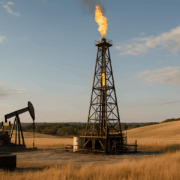
⚠️ IMPORTANT LEGAL DISCLAIMER:

The information provided on this page is for general informational purposes only and does not constitute legal, financial, or investment advice. Oil and gas laws, mineral rights regulations, and royalty structures vary significantly by state and jurisdiction. While we strive to provide accurate and up-to-date information, no guarantee is made to that effect, and laws may have changed since publication.

You should consult with a licensed attorney specializing in oil and gas law in your jurisdiction, a qualified financial advisor, or other appropriate professionals before making any decisions based on this material. Neither the author nor the publisher assumes any liability for actions taken in reliance upon the information contained herein.

If you own an interest share in the mineral rights of oil production, then you are probably enjoying a steady stream of oil royalties in your portfolio. With high stakes values, a large number of players, and hundreds of pages of legal contracts, sometimes it can be difficult to fully understand your role in the process of oil production. In this article, we are going to outline how to identify the rights that you have, as an oil royalty owner.

Your Rights as Mineral Rights Owner – The Paperwork

Oil and gas agreements are not required to be made public, and the highly individualized nature of mineral rights agreements make it difficult to identify a “standard” handbook of mineral rights owners’ rights.

With this in mind, there are a few very critical pieces of paperwork that you should always have available. It is also advisable to seek expert advice in order to review the following documents.

A Copy of The Deed

The deed which defines your ownership rights of the property’s subsurface is crucial in defining your asset. If you own a fee simple estate, then your surface rights and mineral rights are usually defined in the same deed. If it is a split estate, then the mineral deed is no different than a surface rights deed, just separate. Mineral deeds are public records and can be obtained either online or with a local courthouse.

A Copy of the Lease

Once the lease is signed, it becomes the most important document in a mineral rights agreement. Here, the rights of the surface and mineral owners are clearly defined as they affect an oil company’s pursuit in exploring and extracting minerals. It is crucial to understand the time periods and compensation associated with an oil company’s permission to enter the property. Although oil and gas leases are not public records, a copy must be filed with the local courthouse and the records can be obtained at a later date.

A Division Order

Oftentimes, oil wells are divided between multiple mineral rights owners. This makes it a requirement for oil companies to send out a division order, or a division of interest, to lay out the percentage ownership and rights for each mineral owner. Division orders must be signed and returned to the oil company, but mineral rights owners should absolutely keep a copy for their records.

Any Communication with Oil Companies

Lastly, it is always a good idea to print or save any copies of communications with an oil company. As a mineral rights owner, you want to be up to date (and know the history of) all of the happenings of the operations in which you have a stake in. For the worst-case scenario, copies of all oil company communications can help in the court of law if you feel as if your rights have been violated as an oil royalty owner.

Remember: This information is for educational purposes only. Consult qualified professionals for advice specific to your situation and jurisdiction.