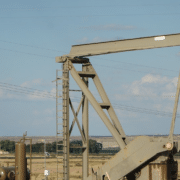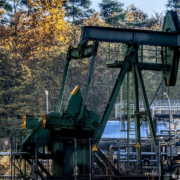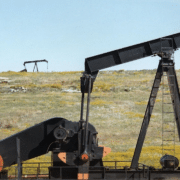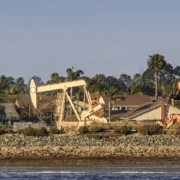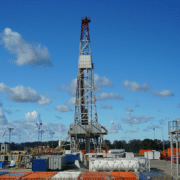

Industry Guides & How-To Resources with specific types of property or business. Check our valuable guides on this page today at Ranger Land & Minerals.

How long does an oil well last? The honest answer is that there is no single lifespan that fits every well. Some wells produce for only a few years before they become uneconomic, while others continue operating for decades as production declines gradually over time. The total productive life depends on geology, drilling and completion design, reservoir pressure, commodity prices, operating costs, regulation, and the operator’s ability to keep the well producing safely and efficiently.

Understanding how long does an oil well last requires looking beyond a simple number. A well moves through recognizable phases: drilling, completion, early production, decline, low-rate or marginal production, and eventually plugging and site restoration. Knowing these oil well life cycle stages makes it easier to understand why one well may have a much longer economic life than another, and why “running dry” usually means something very different from what people imagine.

⚠️ IMPORTANT LEGAL DISCLAIMER:The information provided on this page is for general informational purposes only and does not constitute legal, financial, or investment advice. Oil and gas laws, mineral rights regulations, and royalty structures vary significantly by state and jurisdiction. While we strive to provide accurate and up-to-date information, no guarantee is made to that effect, and laws may have changed since publication.

You should consult with a licensed attorney specializing in oil and gas law in your jurisdiction, a qualified financial advisor, or other appropriate professionals before making any decisions based on this material. Neither the author nor the publisher assumes any liability for actions taken in reliance upon the information contained herein.

Key Takeaways

  • The answer to how long does an oil well last varies widely, but many wells produce for years or decades, with output typically highest early and lower later in life.
  • The average lifespan of an oil well is shaped by reservoir quality, well design, completion methods, production decline, oil and gas prices, lifting costs, and regulatory requirements.
  • The main oil well life cycle stages include drilling, completion, active production, decline, marginal production, shut-in or inactive status, and plugging and abandonment.
  • In practice, what happens when an oil well runs dry is usually that the well no longer produces enough oil or gas to operate profitably, not that the reservoir instantly becomes empty.
  • At the end of a well’s useful life, operators generally remove equipment, plug the well, and restore the site under applicable state or federal rules.

If you are trying to understand an existing well, compare production behavior, or make sense of long-term well performance, it can help to review related guides on oil well production, how much money an oil well can make, and oil and gas royalties. If you need help evaluating a specific situation, contact our team for additional guidance.

How Long Does an Oil Well Last in Real-World Conditions?

When people search for how long does an oil well last, they often expect a single number such as 10 years, 20 years, or 40 years. In reality, wells do not all age the same way. A high-performing horizontal well in a productive shale basin may deliver a strong burst of output early on and then decline quickly, while an older conventional well may produce much smaller volumes for a much longer period. That is why the average lifespan of an oil well is only a rough benchmark rather than a universal rule.

A well’s life is best understood in two different ways: its physical life and its economic life. The physical life refers to how long the wellbore and related equipment can technically remain in service. The economic life refers to how long the well can keep producing enough oil or gas to justify continued operation. In most real-world cases, the economic life is the more important measure because wells are typically plugged and abandoned when production no longer supports ongoing costs and obligations.

This distinction matters because a well can still contain hydrocarbons and yet no longer be worth producing. It may also be temporarily shut in, reworked, refractured, or returned to service later if conditions improve. That is one reason two wells in the same area may have very different answers to the question, how long does an oil well last.

The Average Lifespan of an Oil Well Depends on More Than Time Alone

The average lifespan of an oil well depends on a mix of geology, engineering, economics, and regulation. Reservoir quality is one of the biggest factors. A well completed in rock with strong pressure support, good permeability, and attractive hydrocarbon saturation may produce at commercial rates for far longer than a well drilled into weaker rock.

Well type also matters. Vertical wells, horizontal wells, conventional fields, offshore projects, and unconventional shale developments can have very different production profiles. Completion techniques, artificial lift systems, water handling, operating practices, and workover decisions can all extend or shorten useful well life. Even two wells completed by the same operator in the same field can perform differently because subsurface conditions vary from location to location.

Economics can be just as important as subsurface quality. A well may still flow, but if the cost of operating it, maintaining equipment, handling water, or transporting production exceeds the value of the hydrocarbons being sold, the operator may decide that the well has reached the end of its economic life. That is often the practical answer behind questions about what happens when an oil well runs dry. Many wells do not stop because every drop is gone. They stop because the remaining production is no longer economic under current conditions.

Why Oil Wells Usually Produce the Most Early in Life

Most wells do not produce at a flat rate for their entire existence. Instead, they follow a decline pattern. Early in production, pressure and flow conditions are usually more favorable, so output can be relatively high. As fluids are produced and pressure support changes, production tends to fall. Engineers commonly use decline curve analysis to study this pattern and estimate future performance.

This helps explain why the answer to how long does an oil well last is tied to production decline rather than to a fixed calendar. A well may produce heavily during its first months or years, then transition into a lower but still meaningful production period, and finally enter a marginal phase where every barrel matters more. In many cases, the later years contribute less daily output but still add meaningful cumulative production over time.

For readers trying to connect lifespan with value, this is also why production history matters so much. A well with modest output over a long period may still be important, while a well with eye-catching early production may decline faster than expected. If you are weighing how longevity connects to economics, contact our team for a more detailed discussion of how production life and value can intersect.

Oil Well Life Cycle Stages Explained

A clearer way to answer the lifespan question is to break a well into recognizable oil well life cycle stages. These stages help explain what happens before production starts, while the well is active, and after it is no longer useful.

Drilling and Completion

The first stage includes drilling the wellbore, casing and cementing the well, testing, and completing it so hydrocarbons can flow safely to the surface. Depending on the well type, this stage may also include hydraulic fracturing, perforation, and installation of production equipment. A well is not yet demonstrating its lifespan at this point, but the quality of drilling and completion decisions can strongly influence how long it will ultimately produce.

Early Production

In the early production stage, the well often posts its strongest production rates. This period can shape public perception because initial numbers tend to get the most attention. However, high early output does not automatically mean the well will have the longest life. Some wells begin fast and decline sharply; others begin more moderately and remain productive for a longer period.

Decline and Mid-Life Production

After the early phase, the well typically enters a decline period. Production falls from initial levels, but the well may still generate meaningful output for years. This is often the longest stage in practical terms, and it is where operational decisions, maintenance, artificial lift, and commodity prices play major roles in determining the average lifespan of an oil well.

Marginal or Low-Rate Production

Some wells eventually become marginal wells, meaning they produce relatively small volumes but may still operate economically depending on costs and prices. These wells can continue for years if expenses are controlled and the remaining output still covers operating requirements. This is one reason the public often underestimates how long does an oil well last in mature basins where low-rate wells remain active long after peak production has passed.

Shut-In, Inactive, or Suspended Status

Not every well moves directly from production to final abandonment. Some wells are shut in temporarily, become inactive, or are suspended while operators evaluate whether reactivation, recompletion, or transfer makes sense. Regulations and terminology vary by jurisdiction, so the exact meaning of inactive, idle, shut-in, suspended, abandoned, or orphaned can differ from state to state.

Plugging, Abandonment, and Reclamation

At the end of the well’s useful life, the operator generally plugs the well to isolate formations and protect the surrounding environment, removes equipment, and restores the site as required by law. This final stage is an essential part of the full oil well life cycle stages framework and should not be treated as an afterthought. End-of-life obligations can affect cost, liability, and land use long after production ends.

What Happens When an Oil Well Runs Dry?

The phrase “runs dry” sounds dramatic, but it can be misleading. In everyday language, people use it to mean the well has effectively reached the end of its productive life. In industry practice, what happens when an oil well runs dry is usually that production declines to the point where the well is no longer commercially viable, or where the operator determines that continued operation no longer makes practical sense.

That can happen for several reasons. Reservoir pressure may have fallen. Water production may have increased. Mechanical issues may make continued operation too expensive. Commodity prices may have dropped. Transportation or processing constraints may reduce net value. In some cases, the well can be reworked or recompleted and returned to service. In others, it is shut in and later plugged.

So, what happens when an oil well runs dry? The typical sequence is that production weakens, the economics deteriorate, the operator evaluates options, and the well is either kept on low-rate production, temporarily shut in, re-entered for additional work, or permanently plugged and abandoned. The surface location may then be reclaimed, with equipment removed and the site restored under the governing rules.

Can an Oil Well Produce for Decades?

Yes. Some wells continue producing for decades, particularly when they are inexpensive to operate, located in mature fields, or supported by favorable infrastructure and commodity pricing. In those cases, the answer to how long does an oil well last may be much longer than people expect. What changes over time is not only the amount of oil produced, but also the economics of keeping the well in service.

That said, long life does not necessarily mean high production. A well that remains active for decades may spend much of its life producing modest volumes. This is one reason lifespan and profitability are not identical concepts. A long-lived well can be modestly productive, while a shorter-lived well can generate much of its value early.

How Prices, Costs, and Technology Affect Well Lifespan

The average lifespan of an oil well is not controlled by geology alone. Market conditions and technology can materially change outcomes. Higher oil and gas prices can extend economic life because lower-rate wells may still generate enough revenue to remain in service. Lower prices can shorten effective well life even if the reservoir still contains recoverable hydrocarbons.

Technology can also shift the answer to how long does an oil well last. Artificial lift, workovers, improved stimulation methods, better production monitoring, water management, corrosion control, and more efficient field operations can all help a well remain productive longer. In some cases, new completion strategies or refracturing programs can revive wells that appeared to be in steep decline.

Infrastructure matters too. A well with access to gathering systems, roads, storage, disposal capacity, and service crews may stay economic longer than a similar well in a location with higher logistical friction. That is why lifespan is not just about what is underground. It is also about the full operating environment around the well.

How Well Lifespan Relates to Royalties and Mineral Interests

For many readers, well longevity is not just a technical question. It connects to revenue, ownership, and long-term expectations. A producing well can affect royalty payments, lease status, transaction value, and the perceived value of associated interests. The longer a well produces economically, the longer it may continue to matter financially under the governing documents and applicable law.

Still, the presence of a well does not guarantee uniform income year after year. Because production usually declines, revenue can fluctuate based on output, pricing, deductions where permitted, taxes, and ownership terms. To better understand these relationships, readers often benefit from guides on mineral rights, selling mineral rights, and well-related income expectations.

Common Misunderstandings About Oil Well Lifespan

Myth 1: Every oil well lasts about the same amount of time

No. Wells can differ dramatically based on geology, completion quality, production decline, prices, costs, and regulation. The average lifespan of an oil well is only a general reference point.

Myth 2: A well that runs dry is completely empty

Not usually. In many cases, what happens when an oil well runs dry is that the well becomes uneconomic, not that every remaining hydrocarbon molecule has been removed.

Myth 3: If production declines, the well is basically over

Decline is normal. Many wells keep producing at lower rates for a long time after their peak output has passed.

Myth 4: Plugging and abandonment are optional details

They are not. Final plugging, site restoration, and regulatory compliance are part of the well’s full life cycle and can carry meaningful financial and environmental implications.

How to Read the End of a Well More Accurately

Instead of asking only how long does an oil well last, it is often better to ask a few more precise questions:

  • How strong was the well’s early production?
  • What does the decline trend suggest?
  • Are operating costs low enough to support long-tail production?
  • Is the well active, shut in, inactive, suspended, or plugged?
  • What do local rules say about idle wells, transfers, bonding, and abandonment?

These questions help turn a vague lifespan discussion into a more useful understanding of where the well sits within the broader oil well life cycle stages.

Final Thoughts on How Long Does an Oil Well Last

So, how long does an oil well last? In practical terms, it lasts as long as geology, engineering, economics, and regulation allow it to produce safely and profitably. Some wells have short productive lives. Others continue operating for decades, especially after moving into lower-rate production. The key is understanding that lifespan is not a single fixed number. It is the result of decline behavior, operating conditions, and end-of-life decisions over time.

The best way to think about the average lifespan of an oil well is as a range shaped by many variables rather than as a promise. And the best way to understand what happens when an oil well runs dry is to remember that “dry” usually means the well has reached an economic or operational limit, not necessarily that the reservoir is literally empty. If you want help understanding a particular well, transaction, or production trend, contact our team today.

Frequently Asked Questions

How long does an oil well last on average?

There is no universal number, but many wells produce for years or decades. The actual length depends on reservoir quality, decline rates, operating costs, prices, and regulatory requirements.

What is the average lifespan of an oil well in a mature field?

In mature fields, some wells may produce at low rates for a long time, especially when costs are manageable and infrastructure is already in place. Others may be plugged sooner if economics no longer support operation.

What happens when an oil well runs dry?

Usually the well has declined to the point where continued operation is no longer profitable or practical. The operator may rework it, shut it in, or eventually plug and abandon it and restore the site.

What are the main oil well life cycle stages?

The main stages are drilling, completion, early production, decline, marginal production, inactive or shut-in status where applicable, and final plugging, abandonment, and reclamation.

Can a well produce after years of decline?

Yes. Some wells remain active at lower rates for many years after peak production, particularly when operating costs are low and the remaining production still supports continued operation.
Remember: This information is for educational purposes only. Consult qualified professionals for advice specific to your situation and jurisdiction. To learn more about our available opportunities, contact our team today.
⚠️ IMPORTANT LEGAL DISCLAIMER:

The information provided on this page is for general informational purposes only and does not constitute legal, financial, or investment advice. Oil and gas laws, mineral rights regulations, and royalty structures vary significantly by state and jurisdiction. While we strive to provide accurate and up-to-date information, no guarantee is made to that effect, and laws may have changed since publication.

You should consult with a licensed attorney specializing in oil and gas law in your jurisdiction, a qualified financial advisor, or other appropriate professionals before making any decisions based on this material. Neither the author nor the publisher assumes any liability for actions taken in reliance upon the information contained herein.

If you own mineral rights, then you can potentially earn a large amount of money by finding the right oil royalty buyers. Frequently, those buyers may actually find you. We put together this article to help you along your journey to sell your oil royalties or mineral rights.

Individuals vs. Companies – Oil and Gas Royalty Buyers

There are thousands of individuals and companies that are actively looking to buy mineral rights and oil royalties. Although the best deal should always prevail, there are a few general trends when selling oil or gas royalties to oil royalty buyers.

Person to Person Oil Royalty Purchases

Although these transactions are more common as gifts or in a will, oil royalties and mineral rights often do change hands between individuals. Here, there is not going to be as many oil royalty buyers as a commercial transaction. You will want to make sure that the person buying your mineral rights is someone you can trust. As a bonus, person to person transactions generally have a better chance to include personalized clauses to best suit your needs.

Person to Company Oil Royalty Purchases

Most commonly, a landman representing a larger oil or gas company will have an interest in buying your mineral rights. Whereas negotiations like these typically fall under strict company guidelines, there is a chance that the added resources of a firm will result in a better overall deal on the seller’s end. Because every individual case is different, it is advisable to explore individual and corporate sales opportunities.

How to Value Your Oil Royalties for Sale

Because oil and gas royalty sales are not always made public, the only way to truly value your oil royalties is by collecting multiple offers. Investors will do their due diligence in order to find the best possible price for your oil royalties, while still making it a profitable venture for themselves. By analyzing local historic data, inspecting the property, and factoring in current market prices, your potential buyers will quickly make the value of your oil royalties apparent.

Speaking to An Expert

Before you sell your oil royalties, it is a good idea to speak to an expert, like Ranger Land & Minerals. No matter how inciting an offer may be, it is crucial to communicate with someone who knows the ins and outs of oil and gas royalty transactions in order to point out red flags and ensure the best possible deal is being made.

Remember: This information is for educational purposes only. Consult qualified professionals for advice specific to your situation and jurisdiction.

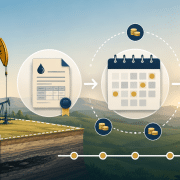
When are oil and gas royalty payments made? In many producing properties, royalty proceeds are distributed monthly, but the first check usually arrives several months after the first sale of oil or gas. The exact timing depends on the lease, state law, the operator or purchaser’s accounting cycle, title verification, division-order processing, and any minimum-payment threshold.

A royalty payment is not normally triggered by signing a lease, drilling a well, or announcing production. Payment generally follows the sale of production and the confirmation of who is legally entitled to receive the proceeds. This guide explains the typical oil and gas royalty payment schedule, the first oil and gas royalty payment timeline, common reasons checks are delayed, and the records that can help an owner investigate a missing or unexpected payment.

⚠️ IMPORTANT LEGAL DISCLAIMER: The information provided on this page is for general informational purposes only and does not constitute legal, financial, or investment advice. Oil and gas laws, mineral rights regulations, and royalty structures vary significantly by state and jurisdiction. While we strive to provide accurate and up-to-date information, no guarantee is made to that effect, and laws may have changed since publication.

You should consult with a licensed attorney specializing in oil and gas law in your jurisdiction, a qualified financial advisor, or other appropriate professionals before making any decisions based on this material. Neither the author nor the publisher assumes any liability for actions taken in reliance upon the information contained herein.

Key Takeaways

  • Royalty payments generally begin after production is sold, not immediately after a lease is signed or a well is drilled.
  • The first payment often takes longer than later payments because title, ownership, tax forms, and division-order details must be confirmed.
  • Monthly payments are common, but quarterly or annual checks may occur when proceeds do not reach a contractual or statutory minimum threshold.
  • Oil and gas may be paid on different accounting schedules because they are measured, transported, processed, and sold differently.
  • A missing check does not always mean production stopped. Funds may be held in suspense because of a title issue, address problem, unsigned document, tax-form issue, ownership transfer, or small balance.
  • State laws can establish first-payment deadlines, later-payment deadlines, interest obligations, notice procedures, and exceptions. Always verify the law governing the well.
  • Royalty statements, division orders, leases, deeds, production records, and correspondence should be retained and compared regularly.

When Are Oil and Gas Royalty Payments Made? Steps Before a Check

Understanding the payment process is easier when the major events are separated. An oil and gas lease may create the right to receive a royalty if production occurs, but it does not guarantee that a well will be drilled or that hydrocarbons will be sold. A typical payment sequence includes the following steps:

  • Ownership and lease rights are established. The operator reviews mineral rights ownership, deeds, assignments, probate documents, leases, pooling instruments, and other title records to determine who owns the mineral or royalty interest.
  • A well is drilled and completed. A completed well may still require testing, connection to gathering systems, regulatory approvals, or additional work before commercial sales begin.
  • Production is measured and sold. Oil may be stored and sold in batches, while natural gas is commonly metered into a gathering or pipeline system. The relevant date for payment laws is often the date or month of first sale rather than the first day the well physically produces.
  • Sales information is reconciled. The operator, purchaser, processor, or payor receives volume, quality, price, tax, and deduction information. Adjustments may be made after initial estimates.
  • Ownership decimals are confirmed. A division order commonly identifies the owner, well or unit, payor, and decimal interest used to allocate revenue.
  • Payment is released. Once the payor determines that title is marketable and the owner has completed required administrative steps, proceeds are paid by check, direct deposit, or another approved method.

This sequence explains why the answer to “when are oil and gas royalty payments made” cannot be measured from the lease-signing date alone. A lease may be signed years before drilling, and drilling may occur months before first sale. The practical clock usually begins when production is marketed, subject to the governing contract and state law.

Typical Oil and Gas Royalty Payment Schedule

The most common oil and gas royalty payment schedule is monthly after the account is established, but “monthly” does not mean payment for the current month’s production. Royalty accounting is generally paid in arrears. A check issued in September might relate to oil sold in July or gas sold in June, depending on the payor’s system and the applicable legal deadline.

Several timing patterns are common:

  • Monthly: The owner receives a payment each month when the balance exceeds the minimum threshold and no suspense issue exists.
  • Quarterly: Some payors issue checks every three months, or a small interest may reach the payment threshold only once per quarter.
  • Annually: Very small balances may be accumulated and paid once a year where the lease or state law permits.
  • Irregularly: Payments may vary when oil is sold in batches, a well is temporarily shut in, production is corrected, ownership changes, or prior-period adjustments are posted.

Owners frequently ask how often are oil and gas royalty checks paid because the cadence can change without an obvious event at the well. The safest approach is to identify the production month shown on the statement, the payment date, the payor’s minimum threshold, and whether the statement includes adjustments from earlier periods.

For a broader explanation of royalties, ownership types, deductions, and valuation concepts, review the complete guide to oil and gas royalties.

If you are organizing leases, division orders, and payment statements and need help identifying which documents relate to a producing interest, you may contact the Ranger Land and Minerals team for a general discussion about the records you have.

First Oil and Gas Royalty Payment Timeline

When are oil and gas royalty payments made for a new well? The first oil and gas royalty payment timeline is usually longer than the schedule for later checks. Before the first payment is released, the payor may need to complete title review, establish an owner account, calculate the decimal interest, obtain a taxpayer identification form, process a division order, verify an address, and reconcile the first sales data.

A simplified first-payment timeline may look like this:

Stage What Happens Why Timing Can Vary
Lease and title review Ownership, royalty rate, unit participation, and burdens are examined. Probate, trusts, old deeds, assignments, or conflicting records can require additional curative work.
Drilling and completion The well is drilled, completed, tested, and prepared for sales. Infrastructure, weather, mechanical work, permits, or market conditions may delay first sale.
First sale Oil or gas is marketed and sales proceeds begin to accrue. The first sale date may be later than the first production date.
Division-order and account setup The payor confirms the owner’s decimal, tax status, payment method, and contact information. Missing forms, returned mail, title questions, or disputed decimals can place funds in suspense.
First payment Accumulated proceeds for eligible production months are released, often with a detailed statement. State law, lease language, payor policy, and title status control the deadline and any exceptions.

Because the first check may include more than one production month, it can be larger than the checks that follow. That does not necessarily mean production suddenly declined after the first payment. The first statement should be reviewed by production month, product, volume, price, decimal interest, deductions, taxes, and adjustments.

Example: A Texas First-Payment Timeline

Texas provides a useful example, but it should not be treated as a nationwide rule. Under Texas Natural Resources Code Chapter 91, proceeds from the first sale generally must be paid on or before 120 days after the end of the month of first sale, subject to the statute’s requirements and exceptions.

Assume a well’s first sale occurs on April 15. The 120-day period is measured after April 30, not from the date the lease was signed and not necessarily from the day drilling began. If title is marketable and the owner is otherwise entitled to payment, the statutory first-payment deadline would generally fall in late August. Later payments generally follow separate deadlines for oil and gas under the same statute unless a qualifying agreement provides otherwise.

This distinction corrects a common misunderstanding about the first oil and gas royalty payment timeline: the relevant event is usually first sale, not simply “striking oil.” A well can produce during testing or flowback before marketable volumes are reported as sold.

Examples From Other Producing States

State rules differ materially. Oklahoma’s Production Revenue Standards Act generally requires payment to begin no later than six months after first sale, followed by later payment deadlines described in the statute. North Dakota provides a different framework; the North Dakota Department of Mineral Resources explains that its law addresses royalties unpaid within 150 days after production is marketed and may impose interest in qualifying circumstances.

These examples show why a single universal number is misleading. The applicable rule may depend on the state where the well is located, the kind of interest owned, whether title is marketable, who holds the proceeds, and whether the governing documents alter a default deadline where legally permitted.

How Often Are Oil and Gas Royalty Checks Paid?

For many producing interests, the practical answer to how often are oil and gas royalty checks paid is once per month. However, the statement received in a given month usually reflects production and sales from an earlier month. The lag allows the operator and purchaser to finalize volumes, quality adjustments, contract prices, taxes, processing charges, transportation charges, and ownership allocations.

Oil and gas can follow different lags. In Texas, for example, later oil proceeds are generally due within 60 days after the end of the month in which the oil is sold, while later gas proceeds are generally due within 90 days, subject to statutory and contractual details. In other states, the timing may differ. Even within the same well, one product may appear on a statement before another.

Why Gas Payments May Lag Oil Payments

Natural gas accounting can involve multiple downstream steps. Gas may be gathered, compressed, treated, processed, transported, and separated into residue gas and natural gas liquids. Final settlement information may not be available immediately. Contractual price formulas can also depend on index prices, heating value, plant statements, or later adjustments.

Oil is often measured at tanks or lease facilities and sold in batches to a purchaser. Its accounting may be more direct, although quality differentials, transportation, taxes, and purchaser corrections can still affect timing. These operational differences help explain why an oil and gas royalty payment schedule may show separate product lines and different production months on the same check detail.

Minimum-Payment Thresholds

A payor may hold small balances until they reach a minimum amount. The threshold may be stated in the lease, division order, owner-relations policy, or applicable law. For example, Texas law permits certain small aggregate balances of $100 or less to be accumulated and remitted annually. Other states and agreements use different thresholds or allow an owner to request more frequent payment.

When a check stops but the well still reports production, ask whether the account is below the minimum payment threshold. The money may remain credited to the owner rather than disappearing. A later check may combine several months once the balance reaches the release amount.

How Royalty Payments Are Calculated

Payment timing and payment amount are separate questions. A check can arrive on schedule and still require review. A simplified royalty calculation is:

Royalty proceeds = production sold × sales price × lease royalty rate × ownership share, less authorized taxes, deductions, and adjustments.

The decimal shown on a division order often combines the owner’s net mineral acres, the size of the pooled or producing unit, and the royalty fraction. Additional burdens or conveyance terms may affect the final decimal. For a more detailed explanation of ownership decimals, see the Ranger Minerals guide to division orders for mineral rights.

A royalty statement may include:

  • Operator, purchaser, or payor name
  • Well, lease, property, or unit identifier
  • Production month and payment date
  • Oil, gas, condensate, or natural gas liquids
  • Gross volume and owner volume
  • Sales price or value
  • Owner decimal interest
  • Severance and production taxes
  • Gathering, compression, processing, transportation, or marketing deductions where authorized
  • Prior-period adjustments
  • Net payment amount

Owners should compare the statement to the lease and division order rather than reviewing only the check total. The guide to oil and gas revenue checks provides additional context for reading statement fields.

Why a Royalty Payment May Be Delayed or Placed in Suspense

A delayed payment can result from routine accounting, a legal title issue, or an administrative problem. “Suspense” generally means proceeds are being held rather than distributed because the payor believes a condition must be resolved. The reason should be identified before deciding how to respond.

Common Reasons for Suspense or Nonpayment

  • Unmarketable or disputed title: Conflicting deeds, missing conveyances, unreleased liens, probate gaps, or unclear ownership can prevent payment.
  • Inheritance documentation: The payor may need probate orders, affidavits, trust documents, death certificates, or recorded assignments before changing the owner record.
  • Unsigned or disputed division order: A payor may request a signed division order or clarification of the decimal interest before releasing funds, depending on state law and the governing documents.
  • Missing tax form: An incomplete Form W-9 or taxpayer identification mismatch can delay payment or trigger backup withholding.
  • Address or returned-mail problem: Checks and division orders may be returned because the owner-relations file is outdated.
  • Minimum threshold: The accrued amount may be below the payor’s release level.
  • Ownership transfer: A sale, gift, trust transfer, estate distribution, divorce, or entity change can require title review.
  • Well or infrastructure downtime: Mechanical repairs, weather, pipeline constraints, plant maintenance, or shut-in periods can reduce or stop sales.
  • Accounting adjustment: Purchasers may revise volumes, prices, taxes, or deductions after receiving corrected data.
  • Unclaimed property: Long-unresolved or undeliverable funds may eventually be reported to a state unclaimed-property program under applicable law.

If the expected payment date has passed, do not rely on a general estimate alone. Compare the well’s state, first-sale month, production month, lease language, payor, division-order status, threshold, and suspense reason. If the account has been held because documents are missing or ownership is unclear, contact Ranger Land and Minerals to discuss the interest and the records that may need to be organized before you speak with the operator, purchaser, attorney, or title professional.

What to Do When a Royalty Check Is Late

A structured inquiry is more effective than asking only whether a check has been mailed. Use the following process to create a clear record and narrow the cause of the delay.

  • Confirm the payor. The operator is not always the party issuing royalty checks. Oil and gas purchasers, midstream companies, or designated disbursement agents may pay proceeds.
  • Identify the well and owner number. Use the exact property, lease, unit, well, owner, and account identifiers shown on prior statements or correspondence.
  • Determine the production and sales months. Ask which month first sale occurred and which production months have been processed.
  • Ask for the suspense code and explanation. Request the specific reason, not merely confirmation that the account is “in suspense.”
  • Request a document list. Ask what exact curative documents, tax forms, signatures, or address confirmations are needed.
  • Verify the decimal interest. Compare the payor’s decimal with the lease, deed, pooling instrument, and division order.
  • Review the applicable deadline. Check the state statute and the lease with qualified counsel when necessary.
  • Send written notice when appropriate. Some states require written notice before certain remedies are available. Texas, for example, provides a statutory notice process for nonpayment claims.
  • Keep a communication log. Record dates, names, ticket numbers, requested documents, delivery confirmations, and promised follow-up dates.
  • Escalate professionally. If the issue remains unresolved, consult an oil and gas attorney, accountant, land professional, or other qualified advisor based on the nature of the problem.

For Texas interests, Chapter 91 of the Texas Natural Resources Code also addresses written notice, payment information, deductions, and related owner rights. A legal professional can explain whether those provisions apply to a particular dispute.

How to Read a Royalty Statement by Production Month

A royalty check date by itself does not show whether payment is timely. The statement should identify the production month associated with each line. Compare that month to the sale and payment rules for the relevant product and state.

For example, a statement issued in October could include July gas, August oil, and a correction for May condensate. The check is one payment, but it contains several accounting periods. This is why owners should track revenue by production month rather than by deposit date alone.

A simple tracking spreadsheet can include:

  • Well or property name
  • API or state well identifier
  • Operator and payor
  • Production month
  • Product
  • Gross volume
  • Owner decimal
  • Gross owner value
  • Taxes and deductions
  • Net payment
  • Check or deposit date
  • Notes about adjustments or suspense

Over time, this record can reveal missing months, unexplained decimal changes, large deduction shifts, repeated negative adjustments, or an unexpected difference between production trends and royalty income. The royalty audit guide discusses additional red flags and document-review practices.

What Causes Royalty Checks to Rise or Fall?

Even when payments arrive on a regular schedule, amounts can change substantially. The main drivers include production volume, commodity price, ownership decimal, lease royalty rate, product mix, taxes, deductions, and adjustments.

Production Decline and New Wells

Many oil and gas wells produce at their highest rate early in their life and decline over time. A falling check may reflect normal production decline rather than a payment error. Conversely, a new well, recompletion, workover, or additional unit development can increase revenue.

Commodity Prices

Royalty revenue is generally tied to the value of oil and gas sold. Prices may differ from widely quoted benchmarks because of location, quality, transportation, contract terms, basis differentials, and timing. The guide to factors affecting oil prices explains why market changes can affect royalty income.

Deductions and Taxes

Severance taxes and other production taxes can reduce the net check. Depending on the lease and jurisdiction, certain post-production expenses may also be deducted. These can include gathering, compression, dehydration, treatment, processing, transportation, or marketing. Whether a deduction is permitted is a legal and contractual question, not merely an accounting preference.

Adjustments

Payors may issue positive or negative adjustments when they receive corrected volumes, prices, tax rates, plant allocations, or ownership information. The adjustment should identify the affected production month. Large or recurring corrections should be documented and questioned when the explanation is unclear.

Division Orders and Their Role in Payment Timing

A division order is a payment-direction document that states how proceeds should be divided among owners. It commonly includes the property description, owner name, address, tax identification information, interest type, and decimal interest.

Before signing, compare the decimal with the lease royalty, net mineral acres, pooled-unit size, tract participation, and any prior conveyances. A division order should not be treated as a substitute for the lease or deed. State law may limit the extent to which a division order can change underlying rights.

Returning a correct division order promptly can reduce administrative delay. If the decimal appears wrong, request the calculation and supporting title information before signing. The Ranger Minerals division order glossary provides a plain-language introduction to the document.

Special Situations That Affect Payment Timing

Inherited Mineral or Royalty Interests

Inherited interests often remain in the deceased owner’s name until the operator or payor receives acceptable evidence of succession. Requirements vary by state and by the value and structure of the estate. Probate orders, affidavits of heirship, wills, trust documents, death certificates, and recorded deeds may be relevant.

Sold or Transferred Interests

Payments do not always switch immediately after a deed is signed. The purchaser or operator may require a recorded instrument, transfer order, W-9, and title review. The seller and buyer should clarify the effective date, allocation of proceeds, responsibility for adjustments, and treatment of payments received during the transition.

Multiple Payors

One property may generate separate checks from different purchasers or product streams. Oil, gas, and natural gas liquids can be paid by different entities. A change in purchaser can also create a temporary gap while owner records are transferred.

Shut-In or Temporarily Abandoned Wells

A well that is not selling production generally does not generate ordinary production royalties. A lease may provide for shut-in payments in limited circumstances, but shut-in payments are distinct from royalties on actual sales and depend on the lease language.

Royalty Interests Versus Working Interests

A royalty interest typically receives a share of production revenue without bearing drilling and operating costs, although taxes and authorized post-production deductions may apply. A working interest participates in revenue but also bears operating expenses and may receive joint-interest billing. Payment timing, statements, and tax treatment can therefore differ.

Tax Records Connected to Royalty Payments

Royalty statements should be retained with annual tax documents. The IRS Schedule E instructions state that gross royalty income is reported even when state or local taxes were withheld from oil or gas payments. Depending on the taxpayer and the interest, depletion and other tax rules may apply.

Owners should keep:

  • Monthly or quarterly royalty statements
  • Forms 1099 and withholding records
  • Leases, deeds, assignments, and division orders
  • Purchase or inheritance basis information
  • Property and severance tax records
  • Professional fees related to the interest
  • Records of depletion calculations

Tax treatment depends on the owner’s facts, the type of interest, the transaction, and current law. The Ranger Minerals overview of mineral rights taxes can help identify topics to discuss with a qualified tax advisor.

Frequently Asked Questions

When are oil and gas royalty payments made after first production?

Payment usually follows the first sale of production rather than the first day a well produces. The first check commonly arrives several months later because the payor must reconcile sales data, verify title, establish the owner account, and apply the deadline required by the lease and state law.

How often are oil and gas royalty checks paid?

Monthly payment is common once an account is active, but checks may be quarterly, annual, or irregular when proceeds are below a minimum threshold, production is intermittent, a well is shut in, or funds are held in suspense.

Why is the first royalty check larger than later checks?

The first check may include several accumulated production months. Later checks may cover one month at a time. Production decline, commodity-price changes, taxes, deductions, and adjustments can also make later payments smaller.

Does signing an oil and gas lease start the royalty payment clock?

No. A lease may be signed long before a well is drilled. Royalty proceeds generally depend on production being sold, and statutory first-payment periods are often tied to the month or date of first sale.

Why did my royalty checks stop even though the well is producing?

The account may be below a minimum-payment threshold, in suspense because of title or tax-form issues, affected by a purchaser change, or waiting for corrected sales data. Contact the payor’s owner-relations department and request the specific status and suspense reason.

Are oil and gas paid on the same schedule?

Not always. Oil and gas can have different statutory deadlines and accounting lags. Gas often requires additional processing and settlement data, so it may be paid later than oil from the same property.

What documents should I review if a royalty payment is late?

Review the lease, deed, division order, pooling or unit documents, prior statements, W-9, owner-relations correspondence, probate or trust documents, and any notice identifying a title or suspense requirement.

Can interest be owed on late royalty payments?

Possibly. Some states impose interest when proceeds are not paid within statutory deadlines, subject to exceptions such as title disputes or inability to locate an owner. An oil and gas attorney can determine whether a particular interest or remedy applies.

Conclusion: Understanding Your Royalty Payment Timeline

When are oil and gas royalty payments made? The most reliable answer begins with the first sale of production, the law of the state where the well is located, and the documents governing the interest. Monthly checks are common after the account is established, but the first payment usually takes longer and may include several production months.

A useful review separates four questions: Has production been sold? Is title marketable? Has the owner account been completed? Has the applicable payment deadline passed? From there, the lease, division order, royalty statement, state statute, and owner-relations records can help explain the oil and gas royalty payment schedule.

Anyone evaluating a first oil and gas royalty payment timeline or asking how often are oil and gas royalty checks paid should avoid relying on a single nationwide estimate. State law, minimum thresholds, suspense issues, product accounting, purchaser practices, and ownership changes all influence the result.

For help discussing producing mineral or royalty interests, organizing payment records, or exploring available acquisition and investment opportunities, contact Ranger Land and Minerals today.

Remember: This information is for educational purposes only. Consult qualified professionals for advice specific to your situation and jurisdiction. To learn more about our available opportunities, contact our team today.
⚠️ IMPORTANT LEGAL DISCLAIMER:

The information provided on this page is for general informational purposes only and does not constitute legal, financial, or investment advice. Oil and gas laws, mineral rights regulations, and royalty structures vary significantly by state and jurisdiction. While we strive to provide accurate and up-to-date information, no guarantee is made to that effect, and laws may have changed since publication.

You should consult with a licensed attorney specializing in oil and gas law in your jurisdiction, a qualified financial advisor, or other appropriate professionals before making any decisions based on this material. Neither the author nor the publisher assumes any liability for actions taken in reliance upon the information contained herein.

If you own an interest share in the mineral rights of oil production, then you are probably enjoying a steady stream of oil royalties in your portfolio. With high stakes values, a large number of players, and hundreds of pages of legal contracts, sometimes it can be difficult to fully understand your role in the process of oil production. In this article, we are going to outline how to identify the rights that you have, as an oil royalty owner.

Your Rights as Mineral Rights Owner – The Paperwork

Oil and gas agreements are not required to be made public, and the highly individualized nature of mineral rights agreements make it difficult to identify a “standard” handbook of mineral rights owners’ rights.

With this in mind, there are a few very critical pieces of paperwork that you should always have available. It is also advisable to seek expert advice in order to review the following documents.

A Copy of The Deed

The deed which defines your ownership rights of the property’s subsurface is crucial in defining your asset. If you own a fee simple estate, then your surface rights and mineral rights are usually defined in the same deed. If it is a split estate, then the mineral deed is no different than a surface rights deed, just separate. Mineral deeds are public records and can be obtained either online or with a local courthouse.

A Copy of the Lease

Once the lease is signed, it becomes the most important document in a mineral rights agreement. Here, the rights of the surface and mineral owners are clearly defined as they affect an oil company’s pursuit in exploring and extracting minerals. It is crucial to understand the time periods and compensation associated with an oil company’s permission to enter the property. Although oil and gas leases are not public records, a copy must be filed with the local courthouse and the records can be obtained at a later date.

A Division Order

Oftentimes, oil wells are divided between multiple mineral rights owners. This makes it a requirement for oil companies to send out a division order, or a division of interest, to lay out the percentage ownership and rights for each mineral owner. Division orders must be signed and returned to the oil company, but mineral rights owners should absolutely keep a copy for their records.

Any Communication with Oil Companies

Lastly, it is always a good idea to print or save any copies of communications with an oil company. As a mineral rights owner, you want to be up to date (and know the history of) all of the happenings of the operations in which you have a stake in. For the worst-case scenario, copies of all oil company communications can help in the court of law if you feel as if your rights have been violated as an oil royalty owner.

Remember: This information is for educational purposes only. Consult qualified professionals for advice specific to your situation and jurisdiction.
⚠️ IMPORTANT LEGAL DISCLAIMER:

The information provided on this page is for general informational purposes only and does not constitute legal, financial, or investment advice. Oil and gas laws, mineral rights regulations, and royalty structures vary significantly by state and jurisdiction. While we strive to provide accurate and up-to-date information, no guarantee is made to that effect, and laws may have changed since publication.

You should consult with a licensed attorney specializing in oil and gas law in your jurisdiction, a qualified financial advisor, or other appropriate professionals before making any decisions based on this material. Neither the author nor the publisher assumes any liability for actions taken in reliance upon the information contained herein.

Mineral rights leases with oil and gas companies can be a highly profitable venture for earning oil and gas royalties. Unfortunately, the high stakes industry has a lot of players, some of which do not like to play by the rules.
If you feel as if a company has violated your oil and gas lease agreement, you may be entitled to compensation in the court of law. In this article, we are going to cover some of the most common oil and gas lease violations and what to do if you find yourself in an agreement that has not been upheld.

Improper Royalty Calculations

One of the most common disputes between oil companies and mineral rights owners are over incorrect royalty payments. Cases like this are vigorously defended in court and are only awarded to lessors who can provide sufficient evidence that their royalty payments were miscalculated. In order to prove this, mineral rights owners should have copies of their lease and the company’s division of interest in order to outline their fair share of royalty sales.

Failure to Reasonably Develop the Land

In most oil and gas agreements, there are “implied covenants” such as a lessee’s requirement to reasonably develop the land for mineral extraction. For example, let’s say a mineral rights owner agrees to have an oil and gas company explore and extract oil on 400 acres of land. The lessee then drills one well that drains 50 acres of land and ceases production for the next 5 years.

In this case, the oil company has failed to reasonably attempt to develop all of the predetermined land in the agreement. As the mineral rights owners, this allows you to claim the oil and gas company acted unreasonably, which may lead to compensation if taken to trial.

Missing or Wrongly Assigned Royalties

Whereas most mineral rights owners work well with oil and gas company agreements, what happens when the lessor passes away? Some of the most common disputes in mineral rights leases actually come from supposed heirs of oil royalties.

If you have inherited or have been gifted active mineral rights, then you may need to get in contact with the lessee to confirm you are receiving the appropriate mineral royalties. Failure for an oil company to correctly reassign royalty shares can result in a lawsuit, if it is outlined in the lease agreement.

Remember: This information is for educational purposes only. Consult qualified professionals for advice specific to your situation and jurisdiction.
⚠️ IMPORTANT LEGAL DISCLAIMER:

The information provided on this page is for general informational purposes only and does not constitute legal, financial, or investment advice. Oil and gas laws, mineral rights regulations, and royalty structures vary significantly by state and jurisdiction. While we strive to provide accurate and up-to-date information, no guarantee is made to that effect, and laws may have changed since publication.

You should consult with a licensed attorney specializing in oil and gas law in your jurisdiction, a qualified financial advisor, or other appropriate professionals before making any decisions based on this material. Neither the author nor the publisher assumes any liability for actions taken in reliance upon the information contained herein.

In the United States, there are hundreds of thousands of mineral rights owners. Of course, some individuals may be more actively aware of their mineral rights if their property is earning them monthly oil and gas royalties. If you own mineral rights or are looking to purchase mineral rights in the future, then there are plenty of resources available on how to find mineral rights owners and get into contact with them in order to learn, converse, and exchange information.
In this article, we will outline a few great resources. Resources on how to find mineral rights owners and connect with them both online and locally.

Online Mineral Rights Forums

Most notably, the popular Mineral Rights Forum (www.mineralrightsforum.com) is a great online conversation space for mineral rights owners in the United States. The website was formed in 2009 and is an amazing resource to ask specific questions about your individual situation. You can also browse through the hundreds of questions already answered over the past decade. The forum is free of solicitation, so users can find information without anything in return.

Minearlrightsforum.com is probably the largest and most credible source for digital answers. However, there is also more information scattered around the web. Websites like reddit.com, Quora, and Yahoo Answers. They all have large backlogs of helpful information on how to find mineral rights owners across the country.

Reaching Out to Speak with Mineral Rights Owners Directly

Are you struggling to find the answers you need? Would you simply prefer to have a conversation with a real person? Then online mineral rights forums may not be the best course of action. There is no requirement for mineral rights transactions to be public. With that, it may still be possible for you to find mineral rights owners in your area. Starting having conversations with them.

How to Find Who Owns Mineral Rights

Websites such as Mineral Holders (https://www.mineralholders.com/) take readily available information and store it into their online database. Although the information is not complete for the whole country, the website has probably the most comprehensive list of mineral rights owners in Texas. Website visitors can break down mineral ownership by county and can also search for specific individuals or companies that may own shares.

Remember: This information is for educational purposes only. Consult qualified professionals for advice specific to your situation and jurisdiction.
⚠️ IMPORTANT LEGAL DISCLAIMER:

The information provided on this page is for general informational purposes only and does not constitute legal, financial, or investment advice. Oil and gas laws, mineral rights regulations, and royalty structures vary significantly by state and jurisdiction. While we strive to provide accurate and up-to-date information, no guarantee is made to that effect, and laws may have changed since publication.

You should consult with a licensed attorney specializing in oil and gas law in your jurisdiction, a qualified financial advisor, or other appropriate professionals before making any decisions based on this material. Neither the author nor the publisher assumes any liability for actions taken in reliance upon the information contained herein.

Oil and gas ownership has one of the most interesting legal histories in the United States. The United States is one of the only countries that allows for private ownership of minerals found on the earth. Within the state, the laws surrounding mineral rights and oil and gas laws vary greatly between each state. In this article, we are going to outline the essential oil and gas laws to be aware of in the United States.

Who can own oil and gas in the United States?

The term when rights to own oil and gas below the surface of a property is “mineral rights.” In the United States, mineral rights is claimable by private individuals. Moreover by corporations, Indian tribes, or by local, state, or federal governments. The ownership and transfer of oil and gas rights are mainly operated under regional statutes and common law. These both fall beneath constitutional and federal law as well.

Oil and Gas Rights as Property

Over the past 150 years, oil and gas ownership in the United States has diverged into a huge portfolio. For private oil and gas rights today, the mineral rights of a piece of land can be sold, bought, or leased. It is as if they are any other piece of property. Mineral rights or “subsurface rights” is purchasable, sellable, or leasable independently. Moreover together with a property’s surface rights.

Finding Oil and Gas on Public (Federal or State) Property

The General Mining Law in the United States allows individuals and companies to “locate” mining claims on public lands. At the federal level, there is BLM (Bureau of Land Management) land. This is where individuals can explore the area for potentially valuable minerals. An individual does not become the subsurface rights owner of public land. With approval by the federal government, the individual can have access to develop and extract the minerals.

The same system is in place for state-owned land. The specific oil and gas laws surrounding ownership and transfer vary from state to state. For a full list of Mineral Rights Laws by state, see this index page from MineralWeb.

Remember: This information is for educational purposes only. Consult qualified professionals for advice specific to your situation and jurisdiction.
⚠️ IMPORTANT LEGAL DISCLAIMER:

The information provided on this page is for general informational purposes only and does not constitute legal, financial, or investment advice. Oil and gas laws, mineral rights regulations, and royalty structures vary significantly by state and jurisdiction. While we strive to provide accurate and up-to-date information, no guarantee is made to that effect, and laws may have changed since publication.

You should consult with a licensed attorney specializing in oil and gas law in your jurisdiction, a qualified financial advisor, or other appropriate professionals before making any decisions based on this material. Neither the author nor the publisher assumes any liability for actions taken in reliance upon the information contained herein.

There are many situations in which someone may ask, “How long do mineral rights validity last?”. Sometimes, an individual may inherit mineral rights from someone deceased, only to be left with unexpected taxes and a whole lot of questions.

In other cases, abandoned residential and commercial plots can be orphaned, leaving former owners to wonder if they are entitled to the property. In this article, we will explain how long mineral rights last and what that means for future owners.

Mineral Rights Last as Long as You Do

If you own mineral rights, they are yours. You own them until the day you die, that is unless you give them to someone else. There are three ways mineral rights are transferred: as a sale, as a gift, or in a will in the event of a death. Mineral rights are just like any other piece of property. As the rightful owner, you have the right to it so long as they are yours.

Does a person or a business were to own mineral rights and then fail to pass them to another party? then the property is considered abandoned. This is going to happen if a person dies or simply forgets they own the property or if a business were to cease operation but fails to sell its land.

Abandoned or Unclaimed Mineral Rights

In America, mineral rights laws vary from state to state. For the vast majority of states, however, abandoned or unclaimed mineral rights are going to eventually default to the current surface rights owner. This can take over 10 years, although is only usually a handful, depending on your location.

Conclusion

In conclusion, it is always important to do and keep your paperwork in order. If you own mineral rights, you own them until they are transferred from you in business or in death. Do you intend to bequeath your mineral rights to an heir? Then, it is important to make sure that everything is in order.

If you have further questions about mineral rights validity, feel free reach out to us here.

Remember: This information is for educational purposes only. Consult qualified professionals for advice specific to your situation and jurisdiction.
⚠️ IMPORTANT LEGAL DISCLAIMER:

The information provided on this page is for general informational purposes only and does not constitute legal, financial, or investment advice. Oil and gas laws, mineral rights regulations, and royalty structures vary significantly by state and jurisdiction. While we strive to provide accurate and up-to-date information, no guarantee is made to that effect, and laws may have changed since publication.

You should consult with a licensed attorney specializing in oil and gas law in your jurisdiction, a qualified financial advisor, or other appropriate professionals before making any decisions based on this material. Neither the author nor the publisher assumes any liability for actions taken in reliance upon the information contained herein.

So you’ve got to move, it’s a shame. No matter what lies next, it is almost always difficult. Difficult to let go of the land and home in which you have spent so much of your life in. What makes it even tougher, however, is if that land is also earning you a monthly income. That’s a situation where you, as a seller, want to retain mineral rights to land.

For some, leasing mineral rights is a highly profitable venture in which little effort is needed. If you own your land and have leased your mineral rights to an oil and gas company that is drilling and selling precious minerals, then you are earning oil and gas royalties. Surely, you’d like to keep those checks coming in the mail, right?

Retaining Mineral Rights in a Sale of Land

Well, the answer is yes. You can sell your land and keep your mineral rights. In order to do so, you must add an exception in the contract for the sale of your land. You will be entering into a split estate contact with the new party, who will now be the owner of the surface rights.

Benefits of Keeping Your Mineral Rights

Are you receiving royalties from your mineral rights? Then, retaining their ownership will keep your income stream steady. If your land has not yet been explored for oil, gas, or precious minerals, then your non-producing mineral rights still may be valuable. If a company were interested in drilling on your property, as the mineral rights owner, you would be in charge of the negotiation.

Downsides When Seller Wants to Retain Mineral Rights to Land

Unfortunately, everything isn’t always going to work out one hundred percent in your favor. If you are the seller who wants to retain mineral rights (especially if there is active drilling), the pool of interested people is going to shrink. Some potential buyers may not like the idea of only owning the surface rights. Especially while the mineral rights are under maintenance by someone else. This may result in a lowered negotiated price for the sale of the land.

Remember: This information is for educational purposes only. Consult qualified professionals for advice specific to your situation and jurisdiction.
⚠️ IMPORTANT LEGAL DISCLAIMER:

The information provided on this page is for general informational purposes only and does not constitute legal, financial, or investment advice. Oil and gas laws, mineral rights regulations, and royalty structures vary significantly by state and jurisdiction. While we strive to provide accurate and up-to-date information, no guarantee is made to that effect, and laws may have changed since publication.

You should consult with a licensed attorney specializing in oil and gas law in your jurisdiction, a qualified financial advisor, or other appropriate professionals before making any decisions based on this material. Neither the author nor the publisher assumes any liability for actions taken in reliance upon the information contained herein.

A split estate is defined as an “an estate where the property rights to the surface and the underground are split between two parties.” Split estates are unique, as the United States is one of the few countries in which individuals can legally own the property below the surface of the earth. In this article, we will go into detail for a full understanding of split estates as they relate to oil and gas drilling.

How is a Split Estate Created?

Whenever land is purchased, if the new owner owns the surface and subsurface rights, then it is known as a “fee simple estate.” If that owner were to go off and sell the subsurface rights to another individual or entity, then it becomes a “split estate.” The estate is essentially split into what are known as “surface rights” and “subsurface rights” which can also be referred to as the “mineral estate.”

The Different Types of Split Estates in the United States

One of the most famous early examples of a split estate in the United States was created with the Stock Raising Homestead Act of 1916, in which the government retained mineral rights below 70 million acres of newly privatized surface land. Since then, there has been an endless number of possible split estate ownership combinations. For the most part, split estates are split between private parties, state governments, or federal governments with each entity controlling one or both parts of the property.

Mining on a Split Estate

If a mineral rights owner wants to explore and produce valuable resources from a split estate, then they must notify the surface rights owner. The subsurface owner issues a “Notice of Intent to Locate (NOITL)” to the surface rights owner which will allow the claimant to explore the property and stake mining claims for 60 days after a 30 waiting period.

Remember: This information is for educational purposes only. Consult qualified professionals for advice specific to your situation and jurisdiction.