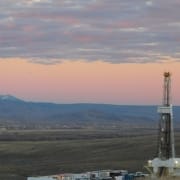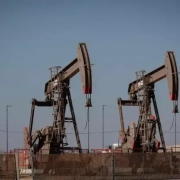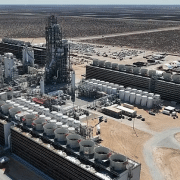
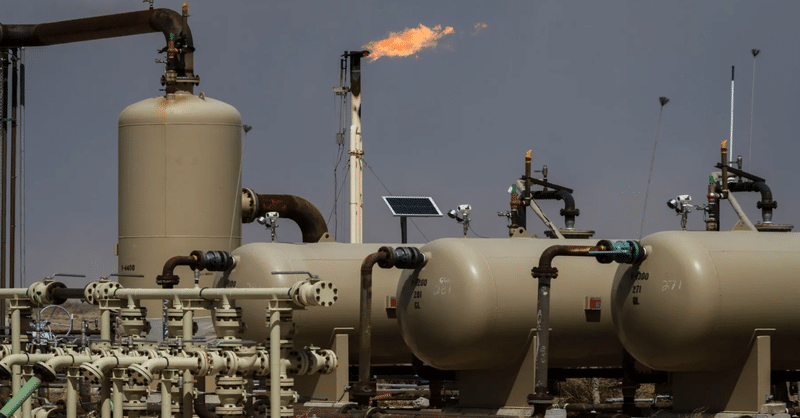
Citigroup analysts expect the Permian Basin’s natural gas production to continue expanding enough for the region to become the largest U.S. gas-producing basin by the end of the decade. The West Texas and southeastern New Mexico basin could surpass the Marcellus, which has held the top position since 2012. Citi analyst Scott Gruber said the Permian could take the lead as early as 2030, depending partly on oil prices.
Much of the Permian’s natural gas is produced alongside crude oil, meaning production levels are influenced heavily by the economics of oil development rather than natural gas prices alone. This dynamic could alter U.S. gas supply patterns as Permian output grows. Citi noted that additional supply from the region may reduce how much gas-focused areas such as the Haynesville need to increase production as LNG exports, data centers and other sources of demand expand.
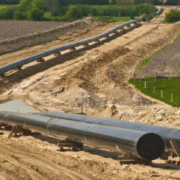
Pipeline capacity remains an important part of the outlook. Permian gas production exceeded available takeaway capacity at times during 2026, contributing to regional pricing dislocations. Several new infrastructure projects have secured financing, including developments designed to expand Permian natural gas takeaway capacity. Added pipeline access could help move growing volumes toward Texas and Gulf Coast markets as the basin’s role in U.S. natural gas supply increases.
Source: Bloomberg
Read the full original article here