A new report from the Texas Independent Producers and Royalty Owners Association found that oil production in the United States, Texas, and the Permian Basin has reached record levels while flaring intensity has moved lower in recent years. According to the report, U.S. flaring intensity is down 45% since 2019, while oil production increased 8% over the same period. Texas and the Permian Basin posted larger improvements, with flaring intensity down about 50% and 62%, respectively.
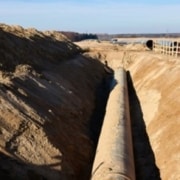
The Permian Basin produced about 6.3 million barrels of crude oil per day, representing nearly half of total U.S. oil output. Texas also surpassed 2 billion barrels of annual production for the first time. From 2023 to 2024, Permian production increased 6%, while flaring intensity eased nearly 10% and flared volumes were reduced by 4%. The report pointed to expanded pipeline takeaway capacity, including projects such as Gulf Coast Express, Permian Highway Pipeline, and Matterhorn Express, as an important factor supporting those results.
For market participants, mineral owners, and readers following oil production in Texas, the findings highlight how infrastructure development can support higher shale output while improving operational efficiency. The report also provides useful context for those tracking oil and gas royalties, since production growth and midstream capacity can influence long-term activity across major producing regions.
Source: World Oil
Read the full original article here