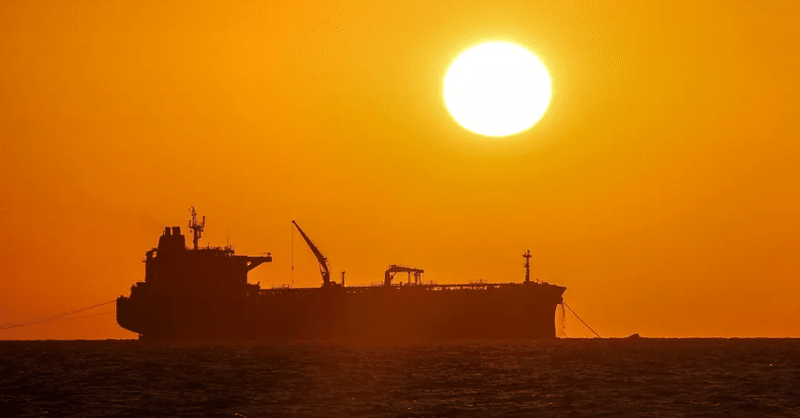
Oil and gas markets moved higher following reports that the United States seized a vessel linked to Iranian shipments, a development that has complicated ongoing diplomatic discussions. The incident has raised concerns about potential disruptions to global energy flows, particularly in regions where supply routes are already closely monitored. Market participants reacted to the possibility that renewed tensions could affect crude availability and trade dynamics in the near term.
The situation comes as negotiations involving Iran remain a focal point for energy markets, with any progress or setbacks influencing expectations around future supply. Analysts noted that uncertainty tied to geopolitical developments can quickly translate into price volatility, especially when it involves key producing regions. The latest events underscore how sensitive oil and gas prices remain to policy actions and international relations.
For investors and industry stakeholders, the developments highlight the continued importance of geopolitical risk in shaping energy market trends. Shifts in diplomatic progress or enforcement actions can influence supply expectations and pricing, reinforcing the need to monitor global events alongside fundamentals such as production levels and demand outlook.
Source: Energy Connects
Read the full original article here