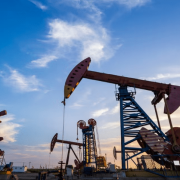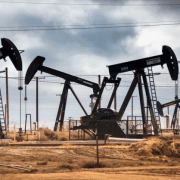
Mineral rights ownership is a complex and multifaceted aspect of land management, with significant implications for environmental sustainability. As society continues to rely on natural resources for energy, manufacturing, and various other purposes, the environmental impact of mineral rights ownership becomes increasingly important to evaluate and mitigate. In this comprehensive article, we delve into the various factors that contribute to the environmental impact of mineral rights ownership and discuss strategies for evaluating and addressing these impacts.
Mineral rights ownership grants individuals or entities the legal right to extract and profit from the minerals beneath the surface of a property. These minerals can include oil, natural gas, coal, metals, and other valuable resources. While mineral extraction plays a crucial role in global economies, it also poses significant environmental challenges. Understanding and evaluating the environmental impact of mineral rights ownership is essential for sustainable resource management and environmental protection.
Factors Contributing to Environmental Impact of Mineral Right Ownership
Several factors contribute to the environmental impact of mineral rights ownership:
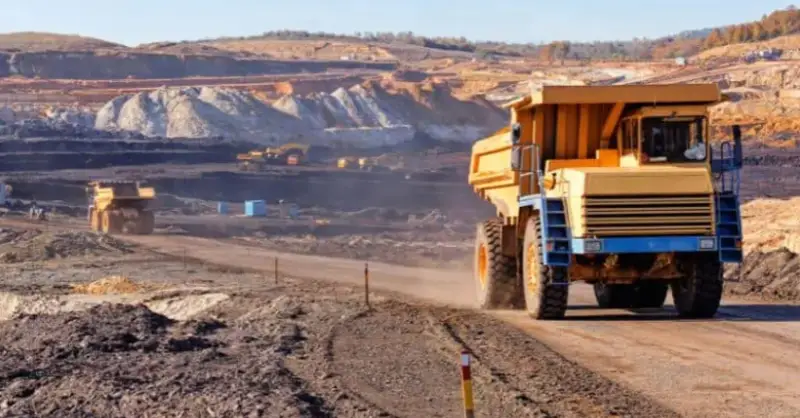
- Extraction Methods: The methods used to extract minerals can have varying degrees of environmental impact. For example, surface mining often leads to habitat destruction, soil erosion, and water pollution. While underground mining can cause subsidence and groundwater contamination.
- Water Usage: Mineral extraction operations require significant amounts of water for processing and transportation. This can lead to competition for water resources, depletion of aquifers, and contamination of surface and groundwater sources.
- Air Pollution: Activities associated with mineral extraction, such as drilling, blasting, and transportation, can release pollutants into the air, including particulate matter, sulfur dioxide, and volatile organic compounds. These pollutants can have adverse effects on air quality and human health.
- Waste Generation: Mineral extraction operations produce large quantities of waste materials, including tailings, overburden, and waste rock. Improper disposal of these wastes can contaminate soil, water, and air, leading to ecosystem degradation and health hazards.
- Ecological Impacts: The disturbance of natural landscapes and ecosystems due to mineral extraction can have far-reaching ecological consequences. Habitat loss, fragmentation, and degradation can threaten biodiversity and disrupt ecosystem functioning.
- Climate Change: The extraction and combustion of fossil fuels, such as coal, oil, and natural gas, contribute to greenhouse gas emissions and climate change. Addressing the environmental impact of mineral rights ownership requires considering its role in driving climate change and transitioning to renewable energy sources.
Evaluation Methods
Evaluating the environmental impact of mineral right ownership requires a comprehensive approach that considers multiple factors and stakeholders. Some commonly used evaluation methods include:
- Environmental Impact Assessments (EIAs): EIAs are systematic evaluations of the potential environmental consequences of proposed mineral extraction projects. They involve identifying potential impacts, assessing their significance, and developing strategies to mitigate or minimize adverse effects.
- Life Cycle Assessments (LCAs): LCAs quantify the environmental impacts of mineral extraction and processing operations throughout their entire life cycle, from extraction to disposal. LCAs consider factors such as energy consumption, resource depletion, emissions, and waste generation.
- Ecological Risk Assessments: Ecological risk assessments evaluate the potential risks posed by mineral extraction activities to ecosystems and wildlife. They consider factors such as habitat loss, contamination, invasive species introduction, and cumulative impacts.
- Water and Air Quality Monitoring: Regular monitoring of water and air quality near mineral extraction sites is essential for detecting and mitigating potential environmental contamination. Monitoring programs may involve sampling and analysis of water and air samples for pollutants and other indicators of environmental quality.
- Stakeholder Engagement: Engaging with local communities, indigenous peoples, environmental organizations, and other stakeholders is crucial for understanding their concerns, priorities, and perspectives regarding mineral rights ownership and its environmental impact. Effective stakeholder engagement can help identify potential risks and opportunities for collaboration and conflict resolution.
Mitigation Strategies
Addressing the environmental impact of mineral right ownership requires implementing effective mitigation strategies. Some common mitigation measures include:
- Best Management Practices (BMPs): Implementing BMPs can help minimize the environmental impact of mineral extraction operations by reducing pollution, conserving resources, and protecting sensitive habitats.
- Reclamation and Restoration: Rehabilitating disturbed landscapes and ecosystems through reclamation and restoration efforts can help mitigate the long-term environmental impacts of mineral extraction. This may involve revegetation, soil stabilization, and habitat enhancement.
- Technology and Innovation: Investing in technological advancements and innovation can help improve the efficiency and sustainability of mineral extraction operations. This includes the development of cleaner extraction methods, energy-efficient technologies, and waste recycling processes.
- Regulatory Compliance: Ensuring compliance with environmental regulations and standards is essential for minimizing the environmental impact of mineral rights ownership. Governments and regulatory agencies play a critical role in enforcing regulations, monitoring compliance, and holding violators accountable.
- Community Engagement and Benefit Sharing: Engaging with local communities and sharing the benefits of mineral extraction projects can help build trust, promote social license to operate, and address environmental concerns. This may involve revenue sharing, job creation, infrastructure development, and capacity building initiatives.
Evaluating and addressing the environmental impact of mineral rights ownership is a complex and multifaceted challenge. That requires collaboration, innovation, and commitment from governments, industry stakeholders, and civil society. By adopting a holistic approach that considers the social, economic, and environmental dimensions of mineral extraction. We can work towards achieving sustainable resource management and environmental stewardship for future generations.
If you have further questions related to the Mineral Right Ownership topic, feel free to reach out to us here.