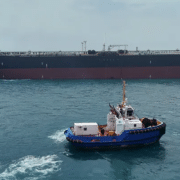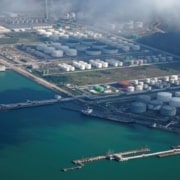
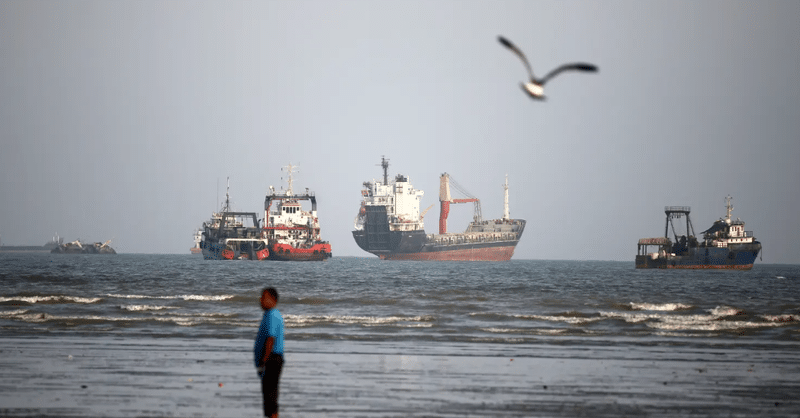
A commercial vessel was struck by an unidentified projectile while traveling through the Strait of Hormuz, according to the United Kingdom Maritime Trade Operations Centre. The incident, reported late Saturday, September 12, led to a fire aboard the vessel and prompted local authorities to assist with the evacuation of crew members. The event came as direct negotiations between the United States and Iran remained inactive, while Iranian and Gulf officials were preparing discussions in Oman on proposed shipping arrangements through the strategically important waterway.
The incident adds another consideration for global energy markets as commercial traffic through Hormuz remains substantially reduced. CNBC reported that Brent crude settled Friday at $104.61 per barrel and West Texas Intermediate at $100.05, after both benchmarks reached higher levels during the week. Saudi Arabia also temporarily closed its East-West crude pipeline as a precaution after drone attacks, affecting an important route used to bypass Hormuz. For mineral and royalty owners, these developments illustrate how geopolitics and transportation constraints can be important factors affecting oil prices and, consequently, revenue associated with oil and gas royalties.
U.S. Central Command also said it had redirected 100 commercial vessels during the previous 60 days following the resumption of the U.S. naval blockade against Iran. With Hormuz serving as a major route for oil and other cargoes, shipping activity, regional security developments and diplomatic discussions remain closely watched by energy-market participants.
Source: CNBC
Read the full original article here