The information provided on this page is for general informational purposes only and does not constitute legal, financial, or investment advice. Oil and gas laws, mineral rights regulations, and royalty structures vary significantly by state and jurisdiction. While we strive to provide accurate and up-to-date information, no guarantee is made to that effect, and laws may have changed since publication.
You should consult with a licensed attorney specializing in oil and gas law in your jurisdiction, a qualified financial advisor, or other appropriate professionals before making any decisions based on this material. Neither the author nor the publisher assumes any liability for actions taken in reliance upon the information contained herein.
Leasing oil and gas rights is a complex process that involves various legal, environmental, and economic considerations. When it comes to California, a state known for its strict environmental regulations and unique geological challenges, there are several state-specific factors that individuals and companies must take into account. In this comprehensive guide, we will explore the essential state-specific considerations when leasing oil and gas rights in California.
Understanding California’s Regulatory Environment
California has a long history of environmental activism, which has led to some of the most stringent regulations in the country. Leasing oil and gas rights in California means navigating a complex web of state and local regulations. Here are some key considerations:
Environmental Regulations:
California has a robust regulatory framework designed to protect its natural environment. Leasing oil and gas rights in the state involves complying with various environmental regulations, including those related to air and water quality, hazardous materials, and endangered species. Companies must undergo rigorous environmental impact assessments and obtain necessary permits before drilling or mining operations can commence.
California Coastal Commission:
For oil and gas activities along California’s coastline, the California Coastal Commission plays a significant role. The commission’s authority extends to activities that could impact coastal resources, public access, and water quality.
Local Regulations:
In addition to state regulations, local governments in California have the authority to impose their own restrictions and requirements for oil and gas operations. These regulations can vary significantly from one county or municipality to another.
Community and Public Opinion:
Community and public opinion have a substantial influence on oil and gas activities in California. Public protests and opposition can lead to legal challenges and permit delays. Public relations and community engagement are crucial for navigating this landscape.
Geology and Exploration Challenges
California’s geology presents unique challenges and considerations for oil and gas exploration. Understanding the geological characteristics of the region is essential for successful leasing. Here are some key points to keep in mind:
Complex Geology:
California’s geological formations can be complex, which can make drilling and exploration more challenging. It’s crucial to have a thorough understanding of the specific geological characteristics of the area you intend to lease.
Seismic Activity:
California is prone to seismic activity, and this poses additional challenges and risks for oil and gas operations. Companies need to implement robust safety measures and consider the potential impact of earthquakes on their operations.
Water Scarcity:
California has faced water scarcity issues, which are exacerbated by the water-intensive nature of hydraulic fracturing (fracking). When considering oil and gas leasing, it’s important to account for water availability and the potential competition with other water users.
Permitting and Approval Process
Leasing oil and gas rights in California involves a rigorous permitting and approval process. Here’s what you need to know:
CEQA Compliance:
The California Environmental Quality Act (CEQA) requires that any project with the potential to have a significant impact on the environment undergo a thorough review. Oil and gas projects are subject to CEQA, which means conducting an Environmental Impact Report (EIR) or a less comprehensive Environmental Impact Assessment (EIA).
Local Zoning and Land Use Permits:
Local governments in California often have their own zoning and land use regulations. Companies must obtain the necessary permits and approvals at the local level, which can vary from one jurisdiction to another.
Water Quality and Supply:
In a state known for its water scarcity issues, companies must adhere to water quality regulations and secure water rights for their operations. This is particularly important for fracking, which requires significant water resources.
Air Quality Permits:
Oil and gas operations in California must obtain air quality permits to control emissions. This involves adhering to strict air quality regulations and may require implementing pollution control technologies.
Oil Spill Contingency Plans:
California requires oil and gas operators to develop comprehensive oil spill contingency plans, especially for activities near the coast. These plans detail how the operator will respond to oil spills and prevent damage to the environment.
Water Management and Conservation
California’s ongoing struggles with drought and water conservation have a direct impact on oil and gas operations. Here’s what to consider:
Fracking and Water Use:
Hydraulic fracturing, a common method in oil and gas extraction, requires a significant amount of water. Companies must carefully manage and report water use, considering both environmental and public relations concerns.
Wastewater Disposal:
Managing wastewater produced during oil and gas operations is critical. California has strict regulations governing the disposal of produced water, which can be brackish or contain contaminants that require specialized treatment.
Water Rights and Competition:
Competition for water rights in California can be intense. Oil and gas companies may face challenges in securing sufficient water resources for their operations.
Environmental and Public Relations Considerations
In California, public opinion and environmental concerns can significantly impact the success of oil and gas leasing. Consider the following:
Community Engagement:
Proactive community engagement is crucial for gaining local support and mitigating opposition to oil and gas operations. This includes public meetings, open dialogue, and addressing community concerns.
Environmental Impact Mitigation:
Companies must develop and implement robust environmental impact mitigation plans. This includes measures to protect air and water quality, as well as wildlife and sensitive habitats.
Public Relations and Transparency:
Transparency in operations and a commitment to environmental responsibility are vital for maintaining a positive public image.
Alternatives to Traditional Leasing Oil an Gas
Given the unique challenges in California, some companies and landowners are exploring alternative energy solutions. These may include renewable energy development, such as wind or solar power, which aligns more closely with the state’s environmental goals.
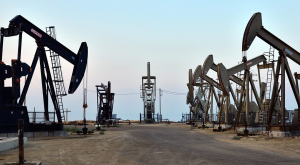
Leasing oil and gas rights in California presents both significant opportunities and challenges. Navigating the state’s strict regulatory environment, unique geological characteristics, and complex permitting process requires a deep understanding of state-specific considerations. Companies and individuals looking to enter the California oil and gas market should be prepared for extensive due diligence, compliance efforts, and a commitment to environmental responsibility and community engagement.
It is crucial to work closely with legal, environmental, and industry experts who have experience in California’s oil and gas sector to navigate these complexities effectively. By addressing state-specific considerations, stakeholders can make informed decisions and maximize the potential benefits while minimizing environmental and regulatory risks in this dynamic and environmentally-conscious state.
If you have further questions related to the Leasing Oil and Gas topic, feel free to reach out to us here.