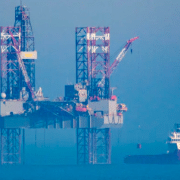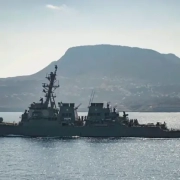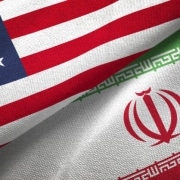
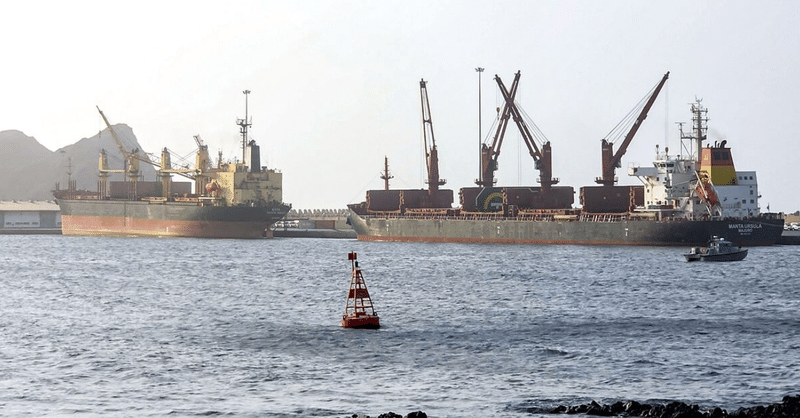
Iran said negotiations with Oman over new shipping arrangements in the Strait of Hormuz were approaching completion, while emphasizing that an agreement with Oman would not automatically lead to a full reopening of the waterway. Tehran has linked broader access to several U.S. actions, including sanctions relief, the release of frozen Iranian assets, changes to maritime restrictions and compensation related to the conflict. Iranian proposals also call for a role in managing vessel entry through the strait.
The discussions remain important for global energy markets because the Strait of Hormuz normally carries about one-fifth of worldwide oil and gas shipments. Progress toward restoring more regular tanker traffic could therefore influence global supply availability, shipping costs and benchmark crude prices. For mineral and royalty owners, the situation is another example of how geopolitics and transportation routes can become important factors affecting oil prices.
Previous efforts to restore normal energy flows through Hormuz have shown that shipping activity may take time to return to established levels even after an agreement is announced. Tanker positioning, insurance coverage, refinery schedules and producer operations can all affect the pace of recovery, as outlined in Ranger’s earlier coverage of the Hormuz reopening and oil supply timeline. Investors and energy-market participants are continuing to watch the negotiations for their potential effect on crude supply and pricing.
Source: Bloomberg
Read the full original article here