The information provided on this page is for general informational purposes only and does not constitute legal, financial, or investment advice. Oil and gas laws, mineral rights regulations, and royalty structures vary significantly by state and jurisdiction. While we strive to provide accurate and up-to-date information, no guarantee is made to that effect, and laws may have changed since publication.
You should consult with a licensed attorney specializing in oil and gas law in your jurisdiction, a qualified financial advisor, or other appropriate professionals before making any decisions based on this material. Neither the author nor the publisher assumes any liability for actions taken in reliance upon the information contained herein.
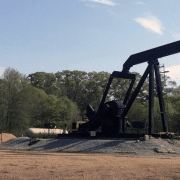
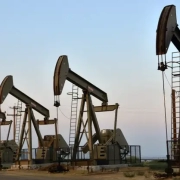
Mineral rights ownership is a complex and often lucrative aspect of real estate, offering landowners the opportunity to extract valuable resources like oil, gas, coal, and minerals from beneath their property. While mineral rights can provide financial benefits, they also come with environmental responsibilities. The extraction of these resources can have a significant impact on the environment. In this comprehensive guide, we will explore the environmental implications of mineral rights ownership, examining the potential consequences, regulatory frameworks, and strategies for responsible resource extraction.
Mineral rights ownership can be a source of significant income for landowners. However, the extraction of resources like oil, gas, and minerals can result in environmental consequences, ranging from habitat disruption to air and water pollution. Understanding the environmental impact of mineral rights ownership is essential for landowners, resource extraction companies, and policymakers to ensure responsible and sustainable resource management.
Understanding Mineral Rights Ownership
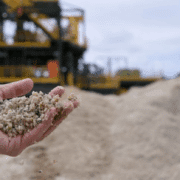
Mineral rights ownership, often referred to as subsurface rights, provides landowners with the legal authority to extract and profit from the minerals located beneath the surface of their property. These minerals can include a variety of valuable resources, such as oil, natural gas, coal, metals, and minerals.
It’s important to note that mineral rights can be severed from the surface rights, allowing a separate party to extract minerals. This division of ownership is a common occurrence in the real estate world, particularly in regions with significant mineral resources.
The Environmental Impact of Resource Extraction
Resource extraction, including the drilling, mining, and processing of minerals, can have a range of environmental impacts. It’s crucial to understand these impacts to make informed decisions regarding mineral rights ownership and resource extraction practices.
Land Disturbance and Erosion
Resource extraction often involves substantial land disturbance. Clearing land, constructing roads and drilling pads, and removing vegetation can lead to soil erosion, which can harm local ecosystems and water quality.
Water Contamination and Pollution
The extraction process can result in the release of pollutants into nearby water bodies. Chemicals used in drilling or mining, as well as the presence of naturally occurring contaminants in the subsurface, can contaminate groundwater and surface water.
Air Pollution and Greenhouse Gas Emissions
Energy-intensive resource extraction activities, such as drilling and mining, can lead to air pollution. This pollution may include the release of volatile organic compounds (VOCs), particulate matter, and greenhouse gases, contributing to climate change.
Habitat Disruption and Biodiversity Loss
The physical disturbance of land and the release of pollutants can disrupt local habitats, impacting plant and animal species. In some cases, resource extraction can lead to biodiversity loss and the endangerment of species.
Environmental Regulations and Compliance
Environmental regulations and compliance measures are in place to mitigate the environmental impact of resource extraction. These regulations can vary by location, resource type, and the specific activities involved in mineral rights ownership. Understanding and adhering to these regulations is essential for landowners and resource extraction companies.
Regulations may include:
- Permitting Requirements: Resource extraction activities often require permits that outline specific conditions, safety measures, and environmental protections.
- Environmental Impact Assessments: Environmental impact assessments may be necessary to evaluate the potential consequences of resource extraction and develop mitigation strategies.
- Waste Management and Disposal: Regulations may dictate how waste materials, such as drilling muds and tailings, are managed and disposed of to prevent environmental harm.
- Water Management: Guidelines for the responsible use and management of water resources, including water sourcing and recycling, are often included in regulations.
- Air Quality Standards: Regulations may set limits on emissions and require the use of emission control technologies to reduce air pollution.
Mitigating Environmental Impact
Responsible and sustainable resource extraction practices can help mitigate the environmental impact of mineral rights ownership. Here are some key strategies:
Sustainable Practices
Adopting sustainable resource extraction practices, such as reduced-impact drilling techniques and responsible land reclamation, can minimize environmental consequences.
Environmental Assessments
Conducting comprehensive environmental assessments before and during resource extraction can help identify potential risks and develop mitigation strategies.
Reclamation and Remediation
Implement reclamation and remediation measures to restore the land to its natural state once resource extraction is complete. This can include re-vegetation, erosion control, and habitat restoration.
The Role of Technology
Advancements in technology have enabled more environmentally responsible resource extraction practices. For example, the use of cleaner energy sources, such as natural gas, can reduce greenhouse gas emissions. Additionally, technological innovations like hydraulic fracturing (fracking) have allowed for more efficient resource extraction with reduced environmental impact.
However, the deployment of such technologies must be accompanied by stringent regulatory oversight and compliance to ensure responsible practices.
Mineral rights ownership can provide landowners with valuable income opportunities, but it also carries significant environmental responsibilities. The extraction of resources like oil, gas, and minerals can result in a range of environmental impacts, from land disturbance to water pollution.
Responsible and sustainable resource extraction practices, combined with adherence to environmental regulations and oversight, can help mitigate these consequences and ensure the long-term health of local ecosystems and communities.
As technology continues to evolve, there are opportunities for more environmentally friendly resource extraction practices. Understanding the environmental impact of mineral rights ownership is essential for landowners, resource extraction companies, and policymakers to make informed decisions and contribute to responsible resource management. By taking a proactive approach to environmental considerations, landowners can achieve a balance between financial benefits and ecological stewardship in the world of mineral rights ownership.