Tag Archive for: oilsupply

Oil prices moved higher following reports that negotiations between the United States and Iran have not progressed, raising uncertainty around potential increases in global oil supply. Market participants had been closely watching the discussions, as any agreement could lead to eased sanctions on Iranian crude exports. With talks appearing to stall, expectations for additional supply entering the market have been delayed, contributing to upward pressure on prices.

Traders are also weighing broader supply dynamics, including ongoing production strategies from major oil-producing nations and steady global demand trends. The lack of immediate progress in diplomatic efforts has reinforced the perception of tighter near-term supply conditions, supporting recent price gains. For investors and market observers, developments around geopolitical negotiations remain a key factor influencing oil price direction and overall market balance.

Source: Al Jazeera
Read the full original article here
Ranger Land & Minerals curates weekly insights from across the oil and gas industry to keep our readers informed. To receive news like this directly in your inbox, join our free newsletter. If you’d like to learn more about mineral rights and oil royalty opportunities, contact us to speak with a representative.
DISCLAIMER: The summary above is based on information from third-party sources believed to be reliable, but its accuracy and completeness cannot be guaranteed. It is provided for general informational purposes only and does not constitute investment, financial, tax, legal, or other professional advice, nor a recommendation or solicitation to buy or sell any security, commodity, or investment product. Markets, regulations, and circumstances can change, and the information may not reflect the most current developments. You should conduct your own research and consult a qualified financial advisor, CPA, or other professional before making decisions based on this content. The publisher and its affiliates disclaim any liability for losses or damages arising from reliance on the information provided above.

Oil prices moved higher following the breakdown of diplomatic discussions that had been closely watched by energy markets. The lack of progress in these talks reduced expectations for near-term increases in global oil supply, prompting traders to reassess supply-demand balances. As a result, benchmark crude prices climbed, reflecting tightening sentiment around available barrels in the short term.

The market reaction highlights how geopolitical developments continue to influence oil pricing, particularly when negotiations involve key producing regions. With supply-side uncertainty persisting, investors are paying close attention to potential disruptions and policy decisions that could affect production levels. This dynamic remains especially relevant for stakeholders tracking upstream activity and revenue potential tied to commodity pricing.

For investors, the shift underscores the importance of monitoring geopolitical risk alongside traditional fundamentals such as production trends and inventory data. Changes in diplomatic outcomes can quickly alter price expectations, which in turn can impact project economics and investment strategies across the oil and gas sector.

Source: Investing News Network
Read the full original article here

Ranger Land & Minerals curates weekly insights from across the oil and gas industry to keep our readers informed. To receive news like this directly in your inbox, join our free newsletter. If you’d like to learn more about mineral rights and oil royalty opportunities, contact us to speak with a representative.
DISCLAIMER: The summary above is based on information from third-party sources believed to be reliable, but its accuracy and completeness cannot be guaranteed. It is provided for general informational purposes only and does not constitute investment, financial, tax, legal, or other professional advice, nor a recommendation or solicitation to buy or sell any security, commodity, or investment product. Markets, regulations, and circumstances can change, and the information may not reflect the most current developments. You should conduct your own research and consult a qualified financial advisor, CPA, or other professional before making decisions based on this content. The publisher and its affiliates disclaim any liability for losses or damages arising from reliance on the information provided above.

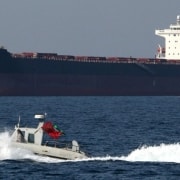
U.S. Treasury Secretary Scott Bessent said the administration is currently comfortable with some Iranian, Indian, and Chinese fuel shipments moving through the Strait of Hormuz, as more vessels begin passing through the key energy corridor. He said the flow of tankers appears to be improving without a formal naval escort system in place, and framed that movement as a way to help keep global energy markets supplied during the ongoing conflict involving Iran.

Bessent also said any additional U.S. response to higher oil prices would depend on how long the conflict continues, indicating that broader market measures would be shaped by the duration of the disruption. For mineral owners and energy-focused readers, the story highlights how geopolitical events around major export chokepoints can quickly influence commodity prices and, in turn, affect the broader environment in which oil and gas royalties are valued and discussed.

Source: CNBC
Read the full original article here

Ranger Land & Minerals curates weekly insights from across the oil and gas industry to keep our readers informed. To receive news like this directly in your inbox, join our free newsletter. If you’d like to learn more about mineral rights and oil royalty opportunities, contact us to speak with a representative.
DISCLAIMER: The summary above is based on information from third-party sources believed to be reliable, but its accuracy and completeness cannot be guaranteed. It is provided for general informational purposes only and does not constitute investment, financial, tax, legal, or other professional advice, nor a recommendation or solicitation to buy or sell any security, commodity, or investment product. Markets, regulations, and circumstances can change, and the information may not reflect the most current developments. You should conduct your own research and consult a qualified financial advisor, CPA, or other professional before making decisions based on this content. The publisher and its affiliates disclaim any liability for losses or damages arising from reliance on the information provided above.