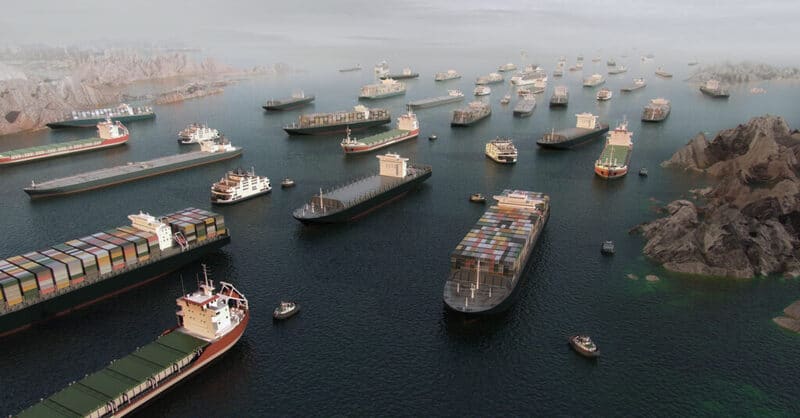
Ship-to-ship oil transfer activity in the Gulf of Oman has moderated following recent vessel incidents near the Strait of Hormuz. Satellite imagery from July 18 showed one pair of tankers conducting a transfer off Oman, compared with three pairs on July 11. Maritime sources estimated that only two or three transfers occurred during the most recent period. These operations have allowed Gulf cargoes to move through approved coastal routes before being loaded onto waiting vessels outside the strait.
Clarksons reported that Strait of Hormuz crossings averaged two supertankers per day during the past week, compared with five per day the previous week and eight per day in late June and early July. Each supertanker can carry as much as 2 million barrels. Since early May, a U.S.-supported transit initiative has helped move tens of millions of barrels, supporting export continuity and limiting the effect of changing oil shipping costs on energy markets.
U.S. Energy Secretary Chris Wright said the seven-day average was slightly below 7 million barrels per day through the waterway, with nearly another 7 million barrels per day moving through bypass pipelines. The combined flow of almost 14 million barrels per day represents roughly two-thirds of pre-conflict volumes and is substantially higher than March levels. The figures provide additional context for how Hormuz transit can support oil supply despite adjustments in tanker activity.
Source: Oil & Gas 360
Read the full original article here