
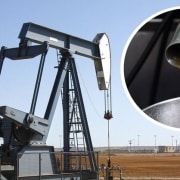
Interesting Engineering reports that researchers at the National Energy Technology Laboratory are studying ways to recover more oil and natural gas from shale and other tight formations after primary hydraulic fracturing operations. According to the article, these reservoirs can still hold significant hydrocarbons after initial production, making improved recovery methods important for domestic energy output and long-term oil well production planning.
The research uses nuclear magnetic resonance technology to examine rock cores and measure factors such as pore structure, porosity, permeability, fluid saturation, and wetting behavior. NETL’s work includes testing how injected fluids such as natural gas, water, surfactants, or carbon dioxide move through oil-saturated rock under subsurface pressure and temperature conditions.
For energy markets and mineral owners, the work is notable because higher recovery from existing formations could help operators improve production efficiency without relying only on new acreage. Better recovery techniques may also support more informed decisions around development, reserves, and oil and gas royalties tied to producing assets.
Source: Interesting Engineering
Read the full original article here